Spring is often celebrated for its blooming flowers and warmer days, but for millions of people, it signals the start of something less pleasant: allergy season. Sneezing, itchy eyes, and congestion can turn the most beautiful time of year into a miserable experience. While you can’t control the pollen count outside, you have significant power over the air quality inside your home.
Your home should be a safe haven from allergens, not a trap for them. This guide will walk you through practical strategies to allergy-proof your home, from simple DIY habits to knowing when to call in professionals for deep cleaning and remediation.
Before you start cleaning, it helps to know exactly what you are fighting. Outdoor allergens like pollen inevitably find their way inside on your clothes, shoes, and pets. However, indoor allergens can be just as problematic.
According to the Asthma and Allergy Foundation of America (AAFA), the most common indoor triggers include:
Reducing these triggers requires a multi-pronged approach that goes beyond a quick dusting.
The air in your home circulates through the HVAC system multiple times a day. If your system is dirty, it is essentially blowing allergens into every room of your house.
This is the single easiest and most effective step you can take. Replace your HVAC filters every 1-3 months, depending on usage and whether you have pets. Look for filters with a high MERV (Minimum Efficiency Reporting Value) rating, specifically those rated 11-13, which are designed to trap smaller particles like pollen and pet dander.
Over time, dust, debris, and even mold can build up inside your ductwork. When the furnace or AC kicks on, these particles are dislodged and circulated. If you notice a musty smell when the air is running, or if you see visible dust blowing out of the vents, it may be time for a professional cleaning.
Soft surfaces are magnets for allergens. Carpet fibers, upholstery, and curtains trap dust and pollen, holding onto them until they are disturbed by footsteps or movement.
Vacuuming once a week is a good maintenance habit, but it isn’t enough to prepare for allergy season. Use a vacuum with a HEPA (High-Efficiency Particulate Air) filter, which traps 99.97% of particles rather than blowing them back into the room.
For a true reset, consider professional deep cleaning for your carpets and upholstery. This removes deep-seated dirt and allergens that household vacuums can't reach.
We spend about a third of our lives in bed, making it a prime location for exposure to dust mites. Wash your sheets, pillowcases, and blankets weekly in hot water (at least 130°F) to kill dust mites and remove allergens. Don't forget to wash curtains and remove decorative pillows that aren't easily cleaned.
Mold is a potent allergen that can cause severe respiratory issues. Unlike pollen, which comes and goes with the seasons, mold can persist year-round if moisture is present.
Check high-risk areas like under sinks, around toilets, and in the basement. Look for discolored drywall, peeling paint, or a persistent earthy smell. Even a small leak can lead to a significant mold colony.
Mold thrives in damp environments. The Environmental Protection Agency (EPA) recommends keeping indoor humidity between 30-50%. Use exhaust fans in bathrooms and kitchens, and consider running a dehumidifier in basements or other damp areas.
If you discover a large area of mold (typically larger than 10 square feet) or if the mold is a result of contaminated water, do not attempt to clean it yourself. Scrubbing mold can release millions of spores into the air, worsening your allergies and spreading the contamination.
At Bio-One of Marion County, we specialize in professional mold remediation. We use containment strategies and industrial-grade air scrubbers to safely remove mold without cross-contaminating the rest of your home.
Sometimes, a clean-looking home still triggers allergies or smells "off." Lingering odors are often a sign of bacteria or decaying organic matter that can irritate sensitive respiratory systems.
Scented candles and air fresheners might cover up a smell temporarily, but they often contain volatile organic compounds (VOCs) that can actually trigger asthma attacks and headaches. Instead of adding chemicals to the air, focus on removing the source of the odor.
If you have persistent odors from pets, smoke, or previous moisture issues, professional odor removal is the most effective solution. Our team at Bio-One provides comprehensive odor removal services that attack odors at the molecular level, neutralizing them rather than masking them. This improves overall air quality and creates a healthier environment for allergy sufferers.
Stop allergens before they even get past the front door. Creating a "transition zone" in your entryway can significantly reduce the amount of pollen and dirt brought inside.
Preparing your home for allergy season takes effort, but the payoff is worth it. By reducing the allergen load in your home, you give your immune system a chance to rest and recover.
For those tough jobs that require more than a vacuum and a sponge, remember that you don't have to do it alone. Whether you are dealing with a hidden mold issue, persistent odors, or need help with a difficult hoarding cleanup to clear out dust-trapping clutter, Bio-One of Marion County is here to help.
We are committed to helping you reclaim your home and your health. Contact us today to discuss how we can assist you in creating a cleaner, safer living environment this spring.
Bio-One specializes in blood and bodily fluids, decomposition/undiscovered death, crime scene, suicide cleanup, tear gas, feces/urine, sewage backups, and odor removal. Helping people get their lives back in order is our #1 priority.
Bio-One of Marion County is here to help you 24/7, 365 days a year! Call (317) 499-0614, and you'll speak directly to one of us when you call; there is never an answering service. We'll treat you like a person with the compassion and respect that you deserve.

Beneath the surface of a seemingly clean house, hidden dangers can lurk. Understanding the most common biohazards in homes is the first step toward protecting your family’s health and well-being. These hazards, which range from microscopic mold spores to waste from pests, can pose significant health risks if not addressed correctly. Ignoring them can lead to respiratory problems, infections, and other serious health issues, turning your safe haven into a source of danger.
This guide will walk you through the top five biohazards found in residential properties. We’ll explain what they are, the risks they carry, and most importantly, how to address them safely. While some minor issues can be handled with caution, many require professional intervention to ensure complete and safe removal.
A biohazard is any biological substance that poses a threat to the health of living organisms, primarily humans. This can include microorganisms, viruses, toxins, and bodily fluids. According to the Occupational Safety and Health Administration (OSHA), exposure to biohazards can result in serious illness or even death. In a home setting, these risks are often underestimated, leading to improper cleanup that can make the situation worse.
Mold is a type of fungus that thrives in damp, dark, and humid environments. It can grow on almost any surface, from drywall and wood to carpet and fabric. While a small patch of mildew in the shower might seem harmless, extensive mold growth can release toxic spores into the air, leading to significant health problems.
The Risks: Exposure to mold can cause allergic reactions, such as sneezing, red eyes, and skin rash. For individuals with asthma or compromised immune systems, the effects can be more severe, leading to serious lung infections. Certain types of mold, often called "black mold," produce mycotoxins that can cause more severe health effects.
How to Address It: For very small areas (less than 10 square feet), you can attempt cleanup yourself with a bleach solution while wearing gloves and a mask. However, for larger infestations or if you smell a persistent musty odor, it is crucial to call professionals. At Bio-One of Marion County, our certified technicians specialize in mold remediation. We use advanced containment strategies and equipment to safely remove mold and prevent it from returning.
Rodents like mice and rats, as well as other pests like cockroaches, are more than just a nuisance. Their droppings, urine, and nesting materials are considered serious biohazards. Pests can carry and transmit a variety of diseases, and their waste can contaminate surfaces and the air you breathe.
The Risks: Hantavirus is a severe, sometimes fatal, respiratory disease transmitted through the inhalation of airborne particles from rodent droppings and urine. Pests can also carry Salmonella, E. coli, and other bacteria that can contaminate food and surfaces.
How to Address It: Never sweep or vacuum rodent droppings, as this can release dangerous particles into the air. Instead, wear gloves and a mask, spray the area with a disinfectant, and then wipe it up with paper towels. For a significant infestation, professional help is necessary. Bio-One of Marion County provides rodent dropping cleanup services to safely remove all contaminated materials and disinfect the area, ensuring your home is safe from disease.
Blood and other bodily fluids can contain bloodborne pathogens, which are infectious microorganisms that can cause disease. These are most commonly associated with accidents, injuries, or unattended deaths that occur within a home.
The Risks: The most well-known bloodborne pathogens are Hepatitis B (HBV), Hepatitis C (HCV), and the Human Immunodeficiency Virus (HIV). These viruses can be transmitted through contact with contaminated blood or bodily fluids, even in microscopic amounts.
How to Address It: Cleaning up blood should never be attempted without proper personal protective equipment (PPE) and disinfectants. Household cleaners are not sufficient to kill all pathogens. Due to the extreme health risks, this is a job that must be left to certified professionals. Our team at Bio-One of Marion County is trained in blood spill cleanup, following strict protocols to decontaminate the scene and dispose of hazardous materials legally and safely.
A sewage backup is a messy, foul-smelling, and incredibly dangerous event. When wastewater from toilets, sinks, and showers backs up into your home, it brings with it a toxic mix of bacteria, viruses, and parasites.
The Risks: Sewage contains a host of harmful microorganisms, including E. coli, Salmonella, and Hepatitis A. Contact with contaminated water or surfaces can lead to gastrointestinal illnesses and other serious infections. The moisture from a backup also creates the perfect environment for rapid mold growth.
How to Address It: Immediately evacuate the affected area and shut off the water supply if possible. Do not use household vacuums or fans, as this can spread contaminants. Sewage cleanup is a hazardous job that requires specialized equipment and expertise. Professionals will extract the contaminated water, remove damaged materials like carpet and drywall, and thoroughly sanitize the area to restore it to a safe condition.
While not a biohazard itself, hoarding creates an environment where many of the most common biohazards in homes can thrive. The excessive accumulation of items makes regular cleaning impossible and can conceal dangers like pest infestations, mold growth, and decaying organic matter.
The Risks: Hoarding situations often involve hidden feces and urine (both human and animal), decomposing food, and severe pest infestations. The clutter itself is a fire hazard and can block emergency exits. The air quality in a hoarded home is typically extremely poor, filled with dust, ammonia, and other contaminants.
How to Address It: Cleaning a hoarded home is a complex and emotionally charged process that often requires professional intervention. At Bio-One of Marion County, we approach hoarding cleanup with compassion and efficiency. Our team is trained to handle the clutter and the underlying biohazards, working to restore the home to a safe, sanitary, and livable state.
While it can be tempting to try and clean up these issues yourself, the risks associated with biohazards are too great. A professional biohazard cleanup company like Bio-One of Marion County has the training, equipment, and compassion to handle these dangerous situations correctly. Our "Help First, Business Second" philosophy ensures we prioritize your safety and peace of mind above all else.
Don't wait for a small problem to become a major health crisis. If you suspect you are dealing with any of these common biohazards in your home, contact us today for a confidential consultation.
Bio-One specializes in blood and bodily fluids, decomposition/undiscovered death, crime scene, suicide cleanup, tear gas, feces/urine, sewage backups, and odor removal. Helping people get their lives back in order is our #1 priority.
Bio-One of Marion County is here to help you 24/7, 365 days a year! Call (317) 499-0614, and you'll speak directly to one of us when you call; there is never an answering service. We'll treat you like a person with the compassion and respect that you deserve.

When a traumatic event, crime scene, or accident happens at a property, the emotional fallout is often the first thing on everyone's mind. However, a significant and often unseen physical threat remains: biohazards. These are biological substances that can pose a serious risk to health. A simple wipe-down won't cut it. A professional deep cleaning after biohazard exposure isn’t just a good idea—it is absolutely essential for safety.
Understanding what makes a situation a biohazard is the first step. It’s not just about what you can see with your own eyes. It involves blood, bodily fluids, and other materials that could carry dangerous pathogens. We'll explore why a specialized cleaning process is so important, the significant risks involved, and how professionals work to make a contaminated space safe again.
A biohazard is any biological agent—like a microorganism, plant, or animal byproduct—that can cause harm to humans or other living things. In the world of property cleanup, this term usually applies to situations involving:
These materials can harbor dangerous pathogens, including HIV, hepatitis B and C, and MRSA. The Centers for Disease Control and Prevention (CDC) warns that exposure to bloodborne pathogens can result in life-threatening diseases. This is why a standard cleaning approach is never enough.
The idea of cleaning up the situation yourself might seem like a way to save money or handle things privately. However, this approach can lead to devastating consequences. The risks of attempting a cleanup without proper training, equipment, and personal protection are immense.
A surface that looks clean can still be a hotbed for contamination. Pathogens are microscopic and can remain active on surfaces for days or even weeks. Without the right tools to find and neutralize them, you could leave your family or colleagues exposed to long-term health risks. A proper deep cleaning after biohazard exposure targets these invisible threats, going far beyond what the eye can see.
Fluids don't just sit on the surface; they penetrate deep into a building's structure. Porous materials like carpets, subflooring, drywall, and wood framing can absorb biohazardous materials. If these areas are not completely removed and treated, they can continue to release odors and harbor dangerous bacteria. This can lead to ongoing health problems and a significant drop in property value.
Cleaning up after a traumatic event is emotionally taxing. Requiring yourself, family members, or employees to manage this task can cause lasting psychological distress. Bringing in a professional service allows you to step back from the difficult and dangerous work so you can focus on healing and recovery.
A professional biohazard remediation team does much more than just clean. They follow a strict, regulated process to ensure the area is fully decontaminated, sanitized, and certified as safe for people to re-enter.
Companies that specialize in biohazard cleanup are trained to adhere to strict guidelines set by agencies like the Occupational Safety and Health Administration (OSHA). This includes the use of personal protective equipment (PPE) to shield technicians from exposure. Their proven process includes:
Your standard household bleach and cleaning supplies are not effective against biohazards. Professionals use EPA-registered, hospital-grade disinfectants that are proven to eliminate the most resilient microorganisms. They also possess specialized equipment to clean hard-to-reach places, ensuring that no trace of contamination is overlooked. This attention to detail is what makes a professional deep cleaning after biohazard so effective.
You cannot simply toss biohazardous materials into your regular trash bin. These items are classified as regulated medical waste and must be disposed of according to strict federal and state laws. Professional cleanup services manage the correct packaging, transport, and disposal of all contaminated materials, protecting you from potential legal fines and public health dangers.
Getting through the aftermath of a biohazard situation is incredibly difficult. The most important action you can take is to ensure the environment is made safe again for everyone. Trying to handle the cleanup yourself exposes you to unnecessary health risks and emotional trauma.
Hiring a certified and experienced team gives you the confidence that the job is done correctly and completely. At Bio-One of Marion County, we understand the sensitive and urgent nature of these events. Our team delivers compassionate, discreet, and thorough services to restore safety and your peace of mind. If you are facing a difficult cleanup, please know that help is available. We handle the deep cleaning after biohazard so you can concentrate on what matters most—moving forward. Visit us at www.bioonemarioncounty.com to see how we can help.
Bio-One is ready to address issues caused by unanticipated circumstances, like death and serious trauma, at any time. We deploy our certified and experienced technicians as soon as possible so you can focus on more important things while the recovery process begins.
Locally owned, Bio-One of Marion County works closely with emergency responders, hoarding task forces, public service agencies, and other organizations to provide the most efficient service possible:
Bio-One specializes in blood and bodily fluids, decomposition/undiscovered death, crime scene, suicide cleanup, tear gas, feces/urine, sewage backups, and odor removal. Helping people get their lives back in order is our #1 priority.
Bio-One of Marion County is here to help you 24/7, 365 days a year! Call (317) 499-0614, and you'll speak directly to one of us when you call; there is never an answering service!
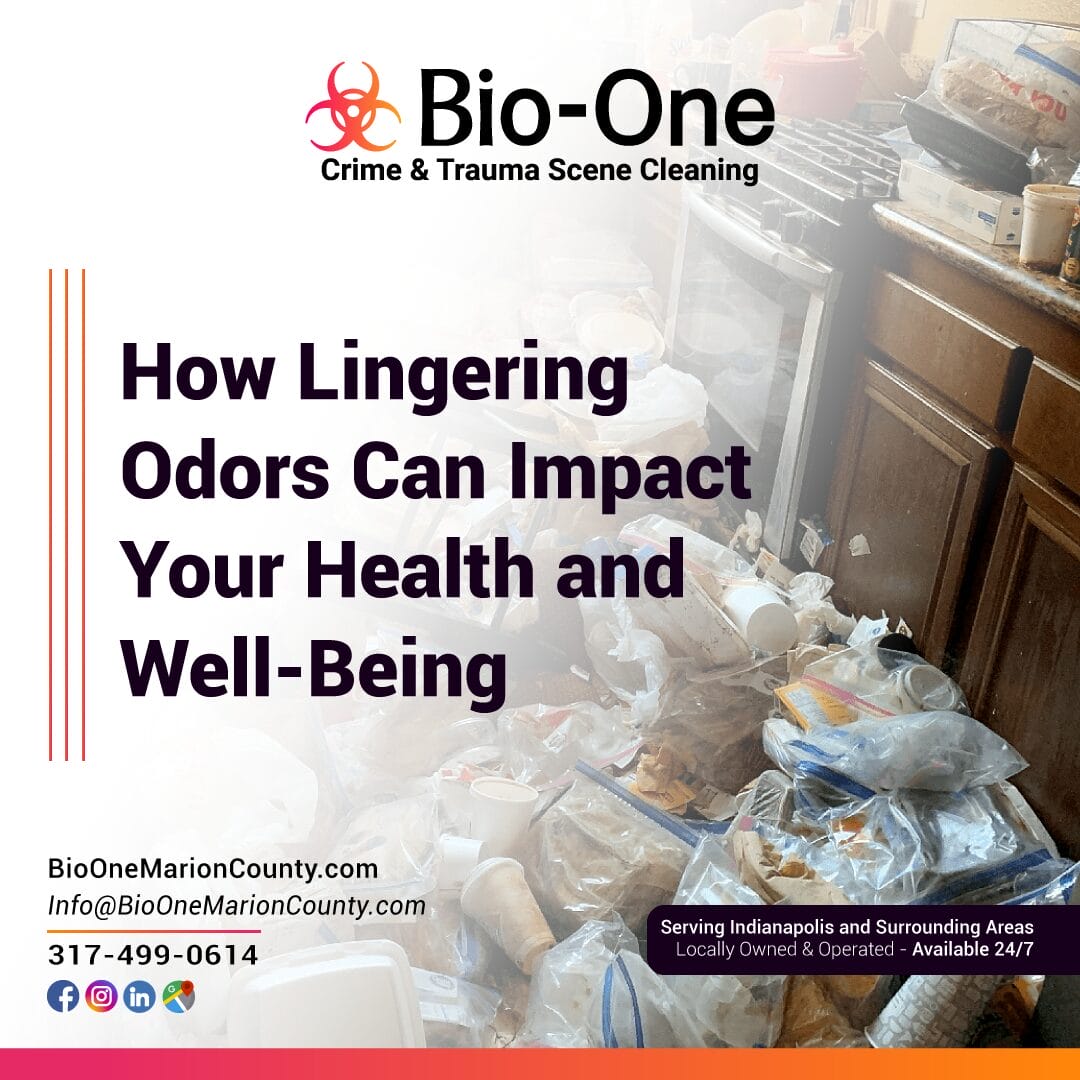
Our sense of smell is a powerful tool. It can warn us of danger, like the smell of smoke signaling a fire, or bring back fond memories, like the scent of freshly baked cookies. But what happens when an unpleasant smell doesn't just pass by? What if it sticks around, becoming a constant presence in your home? These lingering odors are more than just a nuisance; they can have a significant impact on your health and well-being.
Many people try to mask bad smells with air fresheners or candles, but this is like putting a bandage on a wound that needs stitches. It doesn't solve the underlying problem. Understanding the connection between lingering odors and health is the first step to truly clearing the air and protecting yourself and your family.
An odor is a response to airborne chemical compounds that stimulate receptors in our nose. When a smell is foul and persistent, it's often a sign that something is decaying, growing, or off-gassing in your environment. These sources release volatile organic compounds (VOCs) and other harmful particles into the air you breathe.
Common sources of persistent bad smells include:
Simply ignoring these smells or covering them up won't make the source—or the health risks—disappear.
The relationship between lingering odors and health problems is well-documented. Breathing in air contaminated by the source of a bad smell can lead to a range of physical symptoms, some of which can be quite serious.
Mold is a primary culprit behind musty, earthy odors. When mold grows, it releases spores into the air. According to the Centers for Disease Control and Prevention (CDC), inhaling these spores can trigger allergic reactions and respiratory problems. Symptoms can include:
Similarly, the smell from a sewage backup is caused by gases like hydrogen sulfide, which can irritate the respiratory system even at low levels. Prolonged exposure can lead to more significant breathing difficulties.
Have you ever felt a headache coming on after being in a smelly room for too long? You're not imagining it. Strong, persistent odors from sources like chemicals, smoke, or decomposition can overstimulate the olfactory system and trigger headaches, dizziness, and nausea. These symptoms are your body's way of telling you that the air you're breathing is not safe.
Some of the most dangerous odors are those associated with biohazards. An unattended death, for example, results in decomposition, which releases bacteria and other pathogens into the air and surrounding surfaces. These microorganisms can cause serious illness if not properly remediated. Likewise, odors from animal waste can carry parasites and bacteria that pose a health threat. The link between these types of lingering odors and health risks is direct and dangerous, making professional cleanup essential.
The effects of a persistent bad smell aren't just physical. Living in an environment that smells unpleasant can take a heavy toll on your mental health and overall quality of life.
A constant foul odor can be a source of chronic stress. It creates a sense of unease and discomfort in your own home, a place that should be a sanctuary. This can lead to heightened anxiety, irritability, and difficulty relaxing. The feeling that your home is "unclean" or "unsafe" can be deeply unsettling and disrupt your peace of mind.
Embarrassment is a common reaction to having a home with a bad smell. You might hesitate to invite friends or family over, leading to social withdrawal and feelings of isolation. This reluctance to host can strain relationships and contribute to feelings of loneliness and depression. Your home should be a place to connect with others, not a source of shame.
Our brains continue to process sensory information, including smells, even while we sleep. A persistent, unpleasant odor can disrupt sleep patterns, making it difficult to fall asleep or stay asleep. Poor sleep quality affects everything from your mood and concentration to your immune system, creating a negative cycle that further impacts your well-being.
Spraying air freshener or lighting a scented candle might provide temporary relief, but it does nothing to address the root cause of the odor. In fact, some air fresheners release their own set of VOCs, potentially adding more pollutants to your indoor air.
The only effective solution is to identify and eliminate the source of the smell completely. This often requires professional intervention, especially when the cause is a biohazard, extensive mold, or deep-seated smoke damage. Ignoring the problem will only allow it to worsen, increasing the potential harm to your property and your health.
If you're dealing with a persistent odor and can't locate the source, or if you suspect it's related to something hazardous, it's time to call for help. A professional odor removal service, like the team at Bio-One of Marion County, has the training and technology to tackle the problem safely and effectively.
Professionals use specialized equipment like ozone generators, hydroxyl machines, and thermal foggers to neutralize odor-causing molecules in the air and on surfaces. More importantly, they are equipped to handle the hazardous source of the smell, whether it's a biohazard cleanup, mold remediation, or crime scene restoration. They follow strict safety protocols established by organizations like the Occupational Safety and Health Administration (OSHA) to ensure the environment is fully decontaminated.
Don't let a bad smell compromise your health and happiness. The connection between lingering odors and health is too strong to ignore. If you're in Marion County and facing an overwhelming odor problem, the experts at www.bioonemarioncounty.com are ready to help you restore your home to a safe, clean, and welcoming space.
Bio-One is ready to address issues caused by unanticipated circumstances, like death and serious trauma, at any time. We deploy our certified and experienced technicians as soon as possible so you can focus on more important things while the recovery process begins.
Locally owned, Bio-One of Marion County works closely with emergency responders, hoarding task forces, public service agencies, and other organizations to provide the most efficient service possible:
Bio-One specializes in blood and bodily fluids, decomposition/undiscovered death, crime scene, suicide cleanup, tear gas, feces/urine, sewage backups, and odor removal. Helping people get their lives back in order is our #1 priority.
Bio-One of Marion County is here to help you 24/7, 365 days a year! Call (317) 499-0614, and you'll speak directly to one of us when you call; there is never an answering service. We'll treat you like a person with the compassion and respect that you deserve.
When a home becomes unmanageable due to hoarding, the path forward often requires professional help. Handling an extreme cleanup isn't a job for just anyone. It demands expertise, compassion, and a specialized process to ensure hoarding cleanup done right.
Many people don't realize that hoarding is a recognized mental health disorder. It often co-occurs with conditions like depression, anxiety, and obsessive-compulsive disorder (OCD). Understanding this is the first step toward a compassionate and effective cleanup. This isn't about judgment; it's about providing a safe and supportive solution to a difficult problem.
Our team is trained to manage these sensitive and challenging environments. We go beyond simple junk removal to address the biohazards, structural issues, and emotional weight that come with hoarding. Let's explore what it takes to get hoarding cleanup done right and how we handle even the most extreme cases.
A home affected by hoarding can hide numerous threats that aren't visible at first glance. These dangers are why a professional approach is not just recommended but necessary for safety.
One of the biggest concerns is the presence of biohazards. Accumulated waste, spoiled food, and unsanitary conditions can create a breeding ground for harmful bacteria, viruses, and mold. Animal hoarding situations introduce additional risks, such as feces, urine, and dander, which can lead to severe respiratory issues and diseases. Professionals use personal protective equipment (PPE) and specialized cleaning agents to safely neutralize these threats.
The sheer weight of hoarded items can put immense stress on a building's structure, potentially causing floors to weaken or collapse. Piles of clutter can also block exits and hallways, creating a serious fire hazard. Flammable materials like paper, fabric, and chemicals mixed within the hoard can cause a fire to spread rapidly. A key part of getting hoarding cleanup done right involves carefully assessing and clearing these hazards to make the space safe again.
Clutter provides the perfect environment for pests like rodents, cockroaches, and other insects to thrive. These pests not only cause damage to the property but also carry diseases. A proper cleanup includes identifying and addressing infestations, which often requires coordination with pest control experts.
The desire to handle a hoarding situation personally, perhaps to save money or maintain privacy, is understandable. However, a DIY approach can be dangerous and ultimately ineffective. Without proper training and equipment, you risk exposure to the hazards mentioned above.
Furthermore, the emotional toll of clearing a loved one's hoard can be significant. The process can be physically exhausting and emotionally draining, potentially straining relationships. A professional team acts as a neutral third party, managing the cleanup with efficiency and empathy. We understand the psychology behind hoarding and approach every item with respect for the individual involved.
Our mission is to restore safety and livability to the home while providing support to the family. We follow a structured process to ensure every cleanup is thorough, safe, and compassionate.
Every situation is unique. We start with a discreet and comprehensive assessment of the property. This allows us to understand the scope of the project, identify specific hazards, and create a customized action plan. We discuss the plan with you, ensuring you are informed and comfortable before any work begins.
This is where our commitment to a compassionate approach truly shines. We work with the family and, when possible, the individual, to sort through belongings. We understand that items which may look like trash to others can hold deep emotional value. Our team is trained to help categorize items for keeping, donating, or disposal, all while respecting the individual's connection to their possessions. This collaborative effort is crucial for a successful and lasting outcome.
Once the clutter is removed, the real cleaning begins. This is far more than a standard maid service. Our team performs a deep, biohazard-level cleaning of the entire space. This includes:
This phase is essential for making the home truly habitable and ensuring hoarding cleanup done right.
In some extreme cases, hoarding can cause damage to the home itself, such as ruined flooring, damaged drywall, or compromised plumbing. As part of our service, we can help coordinate necessary repairs to restore the property to a safe and functional state. Our goal is to provide a clean slate, offering a fresh start for the resident.
No matter how daunting the situation appears, we are here to help. Our team has the training, equipment, and experience to manage even the most severe hoarding environments. We approach every job with professionalism, discretion, and a deep sense of empathy for everyone involved.
If you or someone you know is struggling with a hoarding situation, you don't have to face it alone. Reaching out for professional help is a sign of strength. Let us provide the support you need to restore safety and peace of mind.
For a compassionate and confidential consultation, visit us at www.bioonemarioncounty.com. Our team is ready to help you navigate this challenging process and ensure your hoarding cleanup done right.
Bio-One specializes in blood and bodily fluids, decomposition/undiscovered death, crime scene, suicide cleanup, tear gas, feces/urine, sewage backups, and odor removal. Helping people get their lives back in order is our #1 priority.
Bio-One of Marion County is here to help you 24/7, 365 days a year! Call (317) 499-0614, and you'll speak directly to one of us when you call; there is never an answering service. We'll treat you like a person with the compassion and respect that you deserve.

Have you ever walked into a room and been hit by a smell so bad it made your eyes water? Whether it’s the ghost of last week’s fish dinner, the lingering scent of cigarette smoke, or the musty smell of a damp basement, foul odors can be more than just unpleasant. They can permeate our homes, affect our health, and be incredibly difficult to eliminate.
But what actually causes these smells, and why do some seem to stick around forever? It all comes down to science. Understanding the source of an odor is the first step toward getting rid of it for good. This post will break down the science of smell, explore various odor removal techniques, and explain why sometimes you need to call in the professionals.
That unpleasant aroma is more than just a bad vibe; it’s a physical thing. Odors are caused by volatile organic compounds (VOCs), which are tiny molecules that evaporate from a source and travel through the air to our noses. When these molecules land on the olfactory receptors in our nasal passages, our brain interprets them as a specific scent.
Sources of bad smells are often biological. Bacteria, mold, and other microorganisms break down organic matter (like food scraps, pet accidents, or even human remains), releasing smelly gases in the process. Other sources, like smoke or chemical spills, release their own unique set of VOCs that embed themselves into porous surfaces.
This is why simply spraying an air freshener doesn’t work for tough odors. You might mask the smell for a little while, but you haven't actually removed the source molecules. The odor will always return until the source is eliminated.
When faced with a stubborn smell, many people turn to DIY solutions. While some can be effective for minor issues, others are little more than temporary fixes. Let's look at some popular odor removal techniques.
Most products you find on store shelves are masking agents. Air fresheners, candles, and scented plug-ins work by releasing a more pleasant, stronger scent into the air to overpower the bad one. Your brain registers the floral or citrus scent more prominently, but the foul-smelling molecules are still there, waiting for the masking agent to fade.
Odor neutralizers, on the other hand, are designed to attack the odor at a molecular level. Products containing ingredients like activated charcoal or zinc ricinoleate work by trapping or bonding with the odor-causing molecules, changing their chemical structure so they no longer smell.
For everyday smells, a few household staples can do the trick:
While these methods are great for minor issues, they often fall short when dealing with severe, deeply embedded odors.
Sometimes, an odor is too pervasive and persistent for DIY methods. This is especially true for smells resulting from trauma, unattended death, smoke damage, or severe mold growth. In these situations, specialized equipment and professional odor removal techniques are required to ensure the smell is gone for good and the environment is safe.
At Bio-One Marion County, we use a scientific approach to permanently eliminate odors. Here’s how it works.
The first and most critical step is a thorough inspection to locate the source of the odor. You can't eliminate a smell if the cause is still present. This could involve removing contaminated carpeting, drywall, or other materials where the odor-causing bacteria or molecules have settled. For situations like biohazard cleanup, this step is crucial for health and safety.
Once the source is removed, we use powerful, professional-grade tools to destroy any remaining odor molecules in the air and on surfaces.
Ozone (O3) is a highly reactive molecule that is extremely effective at destroying VOCs. An ozone generator fills a sealed-off area with ozone gas. The extra oxygen atom in ozone readily attaches itself to odor molecules, oxidizing them and changing their chemical structure. This process permanently neutralizes the smell. Because ozone can be harmful to humans and pets, this technique must be performed by trained professionals in an unoccupied space.
Hydroxyl generators are another powerful tool in our arsenal. They use ultraviolet light to create hydroxyl radicals (OH), which are naturally occurring molecules that safely "scrub" the air of odors and pollutants. As explained by organizations like the EPA, hydroxyls are highly reactive and work by breaking down odor molecules through a chemical reaction. This is a safe and effective method that can be used in occupied spaces.
For deeply ingrained smells like smoke, thermal fogging is one of the most effective odor removal techniques. A special deodorizing agent is heated and dispersed as a fine mist or "fog." These tiny particles penetrate porous surfaces like wood, upholstery, and drywall—just like the original smoke did. The fogging agent attaches to the smoke particles and neutralizes them on contact, eliminating the odor at its source.
While it’s tempting to tackle an odor yourself, some situations demand professional intervention. You should consider calling an expert if:
Lingering odors can be a sign of a deeper problem that may pose health risks. Professional services like ours not only eliminate the smell but also ensure the area is properly cleaned, disinfected, and safe for you and your family.
Don’t let a foul odor take over your life. If you’re struggling with a smell you can’t beat, contact Bio-One Marion County. We have the science, the tools, and the expertise to handle any odor situation, helping you restore your property and your peace of mind.
Bio-One specializes in blood and bodily fluids, decomposition/undiscovered death, crime scene, suicide cleanup, tear gas, feces/urine, sewage backups, and odor removal. Helping people get their lives back in order is our #1 priority.
Bio-One of Marion County is here to help you 24/7, 365 days a year! Call (317) 499-0614, and you'll speak directly to one of us when you call; there is never an answering service. We'll treat you like a person with the compassion and respect that you deserve.
When it comes to the cleanliness of any property, whether it's a home or business, there is no substitute for proper and thorough cleaning. Unfortunately, regular "cleaning" often fails to achieve the desired level of purity when it comes to maintaining a great-looking space. That's why many homeowners and business owners choose deep cleaning services that go beyond just tidying up – an extra effort that produces truly remarkable results!
With knowledge and experience on their side, our professional cleaning technicians at Bio-One of Marion County can help you get your project done with care and attention to detail.
In this blog post, we'll explore the difference between hoarding vs. regular cleanup so you can make an informed decision about which service is most appropriate for your situation. Read on now to discover how your property can look its best!
Deep cleaning is a thorough and detail-oriented cleaning process that goes beyond standard surface cleaning. It involves cleaning every nook and cranny of your home or office to eliminate dirt, dust, and other pollutants.
Removing these unwanted elements not only makes your environment look and smell fresh but also creates a healthier living or workspace. A deep clean also helps to extend the life of your furniture, appliances, and other household or office items by removing built-up grime and thus preventing damage.
Every home requires cleaning, but the level of cleaning can vary depending on your needs. Regular cleaning is beneficial for maintaining the cleanliness of your home and keeping dirt at bay. On the other hand, deep cleaning is a more extensive and thorough cleaning process that targets areas and surfaces that regular cleaning doesn't cover.
While regular cleaning is meant for everyday cleaning tasks such as dusting, sweeping, and mopping, deep cleaning involves cleaning hard-to-reach places, such as baseboards and crown molding. Additionally, deep cleaning involves disinfecting surfaces that come into contact with germs and bacteria, which is essential for maintaining a healthy living environment.
It's important to schedule deep cleaning services annually or biannually and to maintain a regular schedule to ensure that your home remains tidy and free of germs.
A deep cleaning goes beyond the surface level and targets areas that may not receive as much attention during regular cleanings. In addition to removing dirt and grime, deep cleaning can help eliminate bacteria and allergens, improving the overall air quality in your space.
Incorporating deep cleaning into any restoration routine can provide many additional benefits for the health and longevity of your space and your loved ones' health.
Maintaining a clean and organized workspace or home environment is crucial not just for aesthetic purposes, but for health and productivity as well. However, with busy schedules and numerous tasks to attend to, it can be challenging to keep up with cleaning chores:
By following these and other helpful tips, you can keep your living or working space tidy and welcoming until the next professional deep cleaning.
Deep cleaning a home can be a daunting task, and without proper knowledge and equipment, it can easily lead to mistakes. One of the most common mistakes homeowners make when attempting deep cleaning is using too much water or cleaning solution, which can damage furniture.
Another mistake is not properly ventilating the area, which can lead to harmful fumes and odors. Additionally, neglecting to use the appropriate cleaning tools and techniques can also result in subpar cleaning results. It is important to educate themselves on the proper methods and products to use when deep cleaning their homes in order to avoid these common mistakes and achieve a clean and healthy living space.
In the end, regular cleaning and deep cleaning serve two different purposes. Regular cleaning maintains your space and keeps it looking great. Deep cleaning is a more thorough process that cleans hard-to-reach or hidden areas, removing dust and other particles that may not be seen on a surface level. It can give your home or office a thorough revamping in between regular cleanings which will help to keep your space fresh and healthier.
Our professional technicians are highly trained in all aspects of deep cleaning and are experienced in restoring items back to their original condition. Not only does deep cleaning create a healthier environment for you, but it also allows you to live without clutter, giving you peace of mind from knowing that everything has its place, something that cannot be achieved with regular maintenance alone.
If you are considering a deep clean for your home or office, make sure to call our experts today for the best results!
Bio-One is ready to address issues caused by unanticipated circumstances, like death and serious trauma, at any time. We deploy our certified and experienced technicians as soon as possible so you can focus on more important things while the recovery process begins.
Locally owned, Bio-One of Marion County works closely with emergency responders, hoarding task forces, public service agencies, and other organizations to provide the most efficient service possible:
Bio-One specializes in blood and bodily fluids, decomposition/undiscovered death, crime scene, suicide cleanup, tear gas, feces/urine, sewage backups, and odor removal. Helping people get their lives back in order is our #1 priority.
Bio-One of Marion County is here to help you 24/7, 365 days a year! Call (317) 499-0614, and you'll speak directly to one of us when you call; there is never an answering service. We'll treat you like a person with the compassion and respect that you deserve.
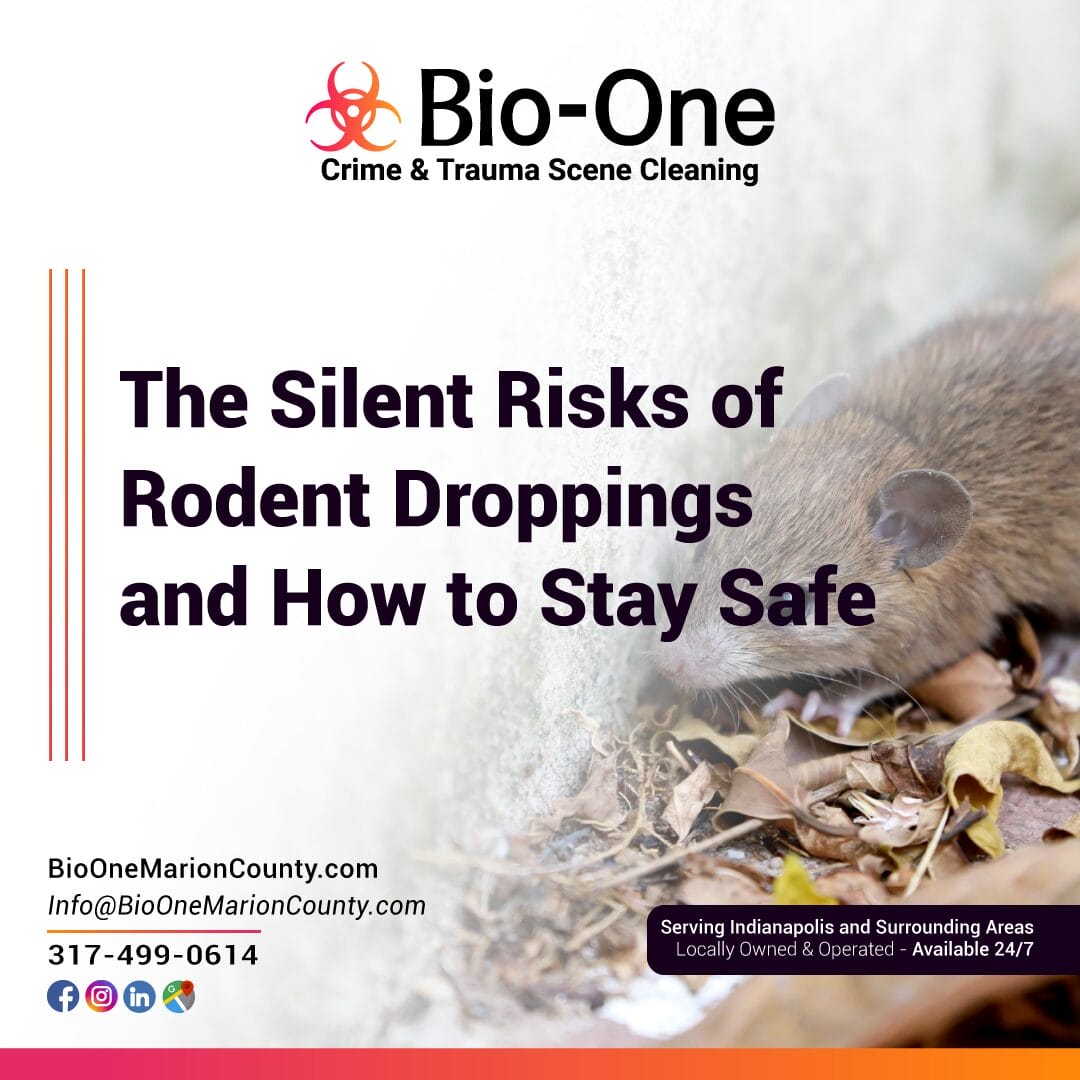
Finding rodent droppings in your attic, basement, or kitchen pantry is more than just an unpleasant discovery. It’s a clear signal of an unwelcome pest problem, but it’s also a significant health hazard hiding in plain sight. While the rodents themselves are a nuisance, their droppings carry silent risks that can affect the health of your family long after the pests are gone.
Understanding the real dangers is the first step toward protecting your home and loved ones. This guide will explore the specific risks of rodent droppings, explain how to handle them safely, and highlight why professional cleanup is often the smartest choice. The goal is not to cause alarm but to provide the knowledge you need to handle the situation correctly and safely.
You might think a quick sweep-up is all that's needed, but the primary risks of rodent droppings come from pathogens that can become airborne. Mice and rats can transmit numerous diseases through their feces, urine, and nesting materials. When these materials dry, the simple act of sweeping or vacuuming can release microscopic particles into the air you breathe.
Here are some of the most serious diseases associated with rodent waste:
This is one of the most well-known diseases linked to rodents, particularly deer mice. Hantavirus is transmitted when people breathe in aerosolized virus particles from rodent urine, droppings, or saliva. The Centers for Disease Control and Prevention (CDC) warns that HPS is a severe respiratory disease that can be fatal. Initial symptoms often mimic the flu, including fever, muscle aches, and fatigue, but can quickly progress to shortness of breath as the lungs fill with fluid.
You probably associate Salmonella with contaminated food, but it can also be spread by rodents. If you consume food or water contaminated with rodent feces, you can contract this bacterial infection. Symptoms include diarrhea, fever, and abdominal cramps, which can be especially severe for children, older adults, and individuals with weakened immune systems.
This bacterial disease is spread through the urine of infected animals, which often contaminates soil and water. The risks of rodent droppings and urine come into play when you have contact with contaminated surfaces or water sources. The infection can cause a wide range of symptoms, from mild flu-like illness to life-threatening conditions like meningitis and liver failure.
These are just a few examples. Rodents are also linked to rat-bite fever, lymphocytic choriomeningitis (LCMV), and even bubonic plague in certain regions. The consistent theme is that the risks of rodent droppings are not to be taken lightly.
Before you can address the problem, you need to confirm what you’re dealing with. Different rodents leave different types of droppings:
Finding either type indicates an active or recent infestation that requires immediate attention.
If you discover a small, localized area of droppings and feel equipped to handle it, following a strict safety protocol is essential. Never sweep or vacuum dry droppings.
Before you begin, air out the space for at least 30 minutes. Open windows and doors to allow fresh air to circulate. It’s best to leave the area during this time to avoid breathing in any contaminated dust.
Protecting yourself is non-negotiable. Wear:
Using a disinfectant solution is key to neutralizing the pathogens. You can use a commercial disinfectant or a bleach solution (1 part bleach to 10 parts water). Spray the droppings and any surrounding contaminated materials until they are thoroughly saturated. Let the solution sit for at least 5 minutes. This step is crucial for minimizing the risks of rodent droppings becoming airborne.
Use paper towels to wipe up the soaked droppings and cleaning solution. Place the used paper towels and contaminated materials into a sealed plastic bag.
Once the visible droppings are gone, you need to disinfect the entire area. Mop floors and wipe down all surfaces, countertops, and objects that may have been contaminated. Use the same disinfectant solution.
Seal the bag containing the droppings and cleaning materials. Then, place it inside a second sealed bag. Dispose of it in an outdoor trash can. Immediately remove and dispose of your gloves. Finally, wash your hands thoroughly with soap and water.
The DIY method is only suitable for very minor incidents. For more extensive contamination, the risks of rodent droppings are too high for an untrained individual to manage safely. You should call a professional if:
Professional biohazard remediation companies like Bio-One Marion County have the training, industrial-grade equipment, and proper PPE to handle these situations. Their technicians are experts in identifying all contaminated areas, safely removing hazardous waste, and completely sanitizing the property to ensure it’s safe for habitation. They understand the science behind pathogen elimination and can address hidden dangers you might miss.
The discovery of rodent droppings is a problem that requires a careful and informed response. The silent risks of rodent droppings, from Hantavirus to Salmonella, are serious health threats that demand respect. By taking the right precautions or, better yet, entrusting the job to professionals, you can ensure the health and safety of your family.
If you’re facing a rodent-related cleanup in Marion County or the surrounding areas, don't take any chances. Visit www.bioonemarioncounty.com to learn how their team can restore your property to a safe and healthy condition. For more information on diseases transmitted by rodents, you can also consult resources from public health organizations like the World Health Organization (WHO).
Bio-One specializes in blood and bodily fluids, decomposition/undiscovered death, crime scene, suicide cleanup, tear gas, feces/urine, sewage backups, and odor removal. Helping people get their lives back in order is our #1 priority.
Bio-One of Marion County is here to help you 24/7, 365 days a year! Call (317) 499-0614, and you'll speak directly to one of us when you call; there is never an answering service. We'll treat you like a person with the compassion and respect that you deserve.
Facing a hoarding situation with a loved one is incredibly challenging, and it goes far beyond simple clutter. When the time comes to address the environment, the process of preparing for a hoarding cleanup can feel just as overwhelming as the situation itself. Knowing where to start is the first step toward creating a safe and healthy home.
This guide will walk you through the essential steps of preparing for a hoarding cleanup. We’ll cover how to approach the situation with empathy, the importance of a clear plan, and why professional help is often the safest and most effective solution. The goal is to restore the home, but the journey starts with careful and compassionate preparation.
Before you can begin preparing for a hoarding cleanup, we need to understand what we're dealing with. Hoarding is not a lifestyle choice or a character flaw; it's a recognized mental health condition. According to the American Psychiatric Association, Hoarding Disorder involves a persistent difficulty in discarding possessions, regardless of their actual value. This behavior often stems from a deep emotional attachment to items or anxiety about needing them in the future.
Approaching your loved one with empathy is the foundation of a successful cleanup.
Once you’ve established a compassionate line of communication, the next phase of preparing for a hoarding cleanup involves creating a structured plan. Going in without a strategy can quickly lead to burnout and conflict.
Start by evaluating the scope of the problem. Is it confined to one room, or does it affect the entire house? Are there immediate safety hazards like blocked exits, fire risks, or pest infestations?
Set small, achievable goals. Instead of aiming to clear the whole house in a weekend, focus on one small area at a time. For example, your first goal might be to clear a path from the front door to the living room. Celebrating small victories can build momentum and make the enormous task feel more manageable.
You will need more than just a few trash bags. Proper preparation means having the right equipment on hand. This includes:
You cannot and should not do this alone. Preparing for a hoarding cleanup is physically and emotionally draining. Assemble a small, trusted team of family or friends who are patient, non-judgmental, and willing to follow the plan. Make sure everyone on the team understands the need for empathy and respects the person experiencing hoarding disorder.
With a plan in place, the hands-on work can begin. The key here is to work with your loved one, not against them.
Begin in the area that will make the biggest immediate impact on safety and quality of life. This is often an entryway, kitchen, or bathroom. Clearing these essential spaces first provides a tangible sense of progress and improves daily function.
Use the sorting bins you prepared. As you handle each item, work with your loved one to decide which box it belongs in.
Be prepared for this process to be slow. Decision-making is the core challenge of hoarding disorder, and it requires immense patience.
While family-led efforts can work for minor cases, most significant hoarding situations require professional intervention. The process of preparing for a hoarding cleanup often leads to the conclusion that the job is too big, too hazardous, or too emotionally taxing for family members to handle alone.
Professional hoarding cleanup services are equipped to handle biohazards safely. Companies like Bio-One Marion County specialize in remediating environments affected by mold, bacteria, pests, and other dangers commonly found in hoarded homes. Their technicians are trained and have the proper PPE to protect themselves and ensure the home is thoroughly decontaminated, something a family cleanup can rarely achieve.
A professional team has the experience to execute a cleanup efficiently and respectfully. They understand the emotional complexities and know how to navigate the process without causing unnecessary trauma. They can do in a few days what might take a family months to accomplish. For situations that seem insurmountable, bringing in experts is the most effective path forward.
A professional service doesn't just clear the clutter; they help restore the home. This can include deep cleaning, sanitization, and odor removal, making the space truly livable again. This provides a fresh start, which is crucial for long-term recovery.
Preparing for a hoarding cleanup is a journey of compassion, patience, and planning. It begins with understanding the disorder and approaching your loved one with support. From there, creating a detailed plan, setting realistic goals, and assembling a team are vital for success.
Most importantly, recognize when you need help. The safety, health, and emotional well-being of everyone involved are the top priorities. If the task feels too dangerous or emotionally overwhelming, contacting a professional service is the responsible choice.
If you are in Marion County or the surrounding areas and need assistance, please know you are not alone. You can learn more about how specialists handle these sensitive situations by visiting www.bioonemarioncounty.com. Taking that step can provide the relief and expertise your family needs to move toward a safer, healthier future. For additional support, organizations like the International OCD Foundation offer resources for families and individuals affected by hoarding disorder.

Life can be unpredictable, and sometimes, situations arise that are too difficult or dangerous to handle on your own. When it comes to cleaning up after a traumatic event or an accident involving biological materials, the risks are significant. These aren't your everyday spills. We're talking about biohazard situations that require specialized training, equipment, and a deep understanding of safety protocols. Attempting a DIY cleanup can expose you to serious health risks and may not fully remove the contaminants. Let's explore some common biohazard situation examples where calling in professionals is not just a good idea—it's essential for your safety and peace of mind. These scenarios require a level of expertise that goes far beyond standard cleaning services to ensure the area is truly safe and livable again.
Discovering a loved one who has passed away is a deeply traumatic experience. When a person passes away alone and isn't found for some time, the natural decomposition process begins, creating a complex and hazardous environment. This is one of the most critical biohazard situation examples that demands professional intervention.
After law enforcement has processed a crime scene involving violence, the responsibility of cleaning up often falls to the property owner. Whether it's from a homicide, assault, or suicide, these scenes can be contaminated with blood, bodily fluids, and other biological materials.
Hoarding is a complex psychological condition that can lead to living spaces becoming unsanitary and dangerous. Over time, accumulated clutter can hide decaying food, animal or human waste, mold, and pest infestations. These environments are clear biohazard situation examples that pose serious health hazards.
A sewage backup is more than just an unpleasant mess; it's a major biohazard. The water from a sewage line, often called "black water," is teeming with bacteria, viruses, and parasites that can cause serious illnesses like E. coli and salmonella.
Accidents in industrial settings, laboratories, or even involving vehicles can result in spills of hazardous chemicals or biological agents. These situations require a rapid and highly specialized response to contain the spill and mitigate potential harm to people and the environment.
Navigating these difficult situations is challenging, but you don't have to do it alone. Attempting to clean up a biohazard site yourself can endanger your health and leave behind unseen contaminants. It's always best to rely on a certified and experienced team.
If you are facing any of these scenarios or other situations involving biological or chemical contaminants, professional help is just a call away. At Bio-One of Marion County, we provide compassionate and discreet services to restore safety to your property. Our team is trained to handle all types of biohazard cleanup with the utmost professionalism and care.