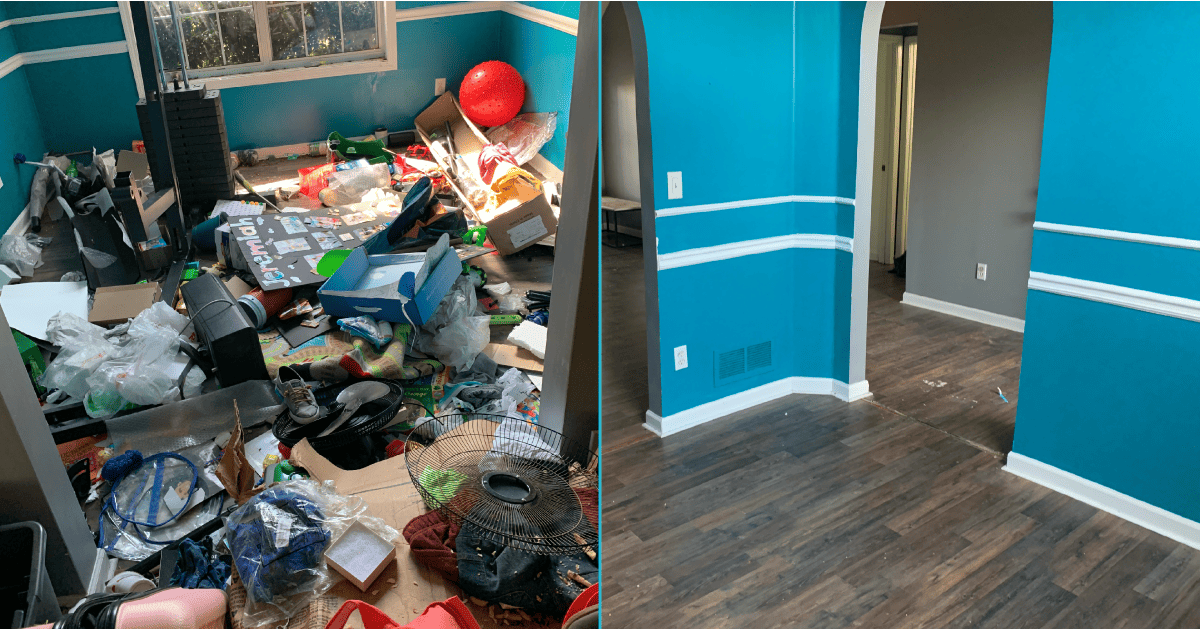
Every year, on October 28th, the nation pays tribute to the heroes among us—those who selflessly put their lives on the line to safeguard and protect us. National First Responders Day is a testament to these exceptional individuals' courage, dedication, and sacrifice. In light of this day, Bio-One Marion County takes a moment to express profound gratitude to these brave souls who serve on the frontlines, often facing biohazards and dangers to keep our communities safe.
First responders encompass a wide array of professionals—paramedics, firefighters, law enforcement officers, emergency medical technicians, and other personnel who are the first to arrive and provide assistance at the scene of an emergency. They are the backbone of our society, the silent heroes who rush into uncertain and dangerous situations to ensure the well-being of others.
Bio-One Marion County understands the critical nature of these first responders' work. As a biohazard cleaning company, we witness the aftermath of emergencies, accidents, and tragedies, often working closely with these courageous individuals. Our team has the privilege of supporting first responders by ensuring that the environments they work in are safe, clean, and free from biohazards.
From crime scenes to accidents, natural disasters to public health crises, first responders face unimaginable challenges. They encounter hazardous materials, bodily fluids, and other dangerous substances, exposing themselves to health risks as they carry out their duties. Bio-One Marion County collaborates with these courageous professionals, aiming to alleviate some of the burdens they bear by handling the cleanup and restoration of affected areas, allowing them to focus on their primary mission of saving lives.
Our company is profoundly grateful for the unwavering dedication and resilience demonstrated by first responders, especially in the face of biohazardous situations. We've had the honor of working alongside these remarkable individuals and have witnessed their commitment to serving the community, no matter the circumstances. The sacrifices they make and the challenges they confront daily exemplify the epitome of selflessness and bravery.
On this special day and every day, Bio-One Marion County salutes the spirit and bravery of first responders. We stand in solidarity with them, recognizing the significance of their contributions to the safety and well-being of our communities. Our commitment to supporting these heroes remains unwavering, and we express our deepest gratitude for their service and sacrifice.
As we celebrate National First Responders Day, let us take a moment to acknowledge and appreciate these incredible individuals who are always at the forefront, ensuring our safety and security. Let us extend our thanks, respect, and support to the first responders who continue to be the guardians of our communities. To all the first responders out there, your bravery does not go unnoticed. You are the true embodiment of courage and selflessness; we are eternally grateful for that.
Bio-One Marion County extends its heartfelt appreciation to all first responders today and every day. Remember, support, and honor your local heroes, and let them know that their service is appreciated beyond measure. Happy National First Responders Day!
Bio-One of Marion County is a locally owned and operated biohazard and hoarding cleaning company serving Indianapolis and the surrounding areas. We specialize in all types of extreme cleaning, including blood and bodily fluids, decomposition/undiscovered death, crime scene, suicide cleanup, tear gas, feces/urine, rodent droppings, sewage backups, hoarding, gross filth, virus/bacteria disinfection and odor removal. Helping people get their lives back in order is our #1 priority.
Bio-One of Marion County is here to help you 24/7, 365 days a year! Call (317) 499-0614, and you'll speak directly to one of us when you call; there is never an answering service. We'll treat you like a person with the compassion and respect that you deserve.

Hoarding can leave behind lots of mixed feelings and emotions: guilt, anxiety, and even exhaustion. From a safety standpoint, it can be a danger to those living inside the property and others, causing fire, mold, pest infestations, and more. Cleanup after hoarding is not an easy task, as there are many steps involved in the process, and the end result will depend on a well-designed plan and execution.
In this blog post, we would like to help understand the process of cleaning up after hoarding and offer some expert tips on how to do it right. As you read on, you’ll learn how to assess the damage, establish safety procedures, prepare for cleanup, remove and dispose of hazardous waste, and restore the home to a safe environment for all!

Hoarding affects individuals of all ages, genders, and backgrounds. It is characterized by excessive collecting, saving, and difficulty discarding possessions regardless of their value. Hoarding can quickly escalate to an overwhelming level where clutter takes over the entire home, making it difficult to navigate and poses serious health and safety risks.
There are many reasons why people hoard, such as trauma, loss, or mental health conditions like obsessive-compulsive disorder (OCD). Before approaching any cleanup and restoration job involving hoarding, understand that it's not a choice but a result of underlying issues that need to be addressed with empathy.
Hoarding can cause significant damage to a property, both visible and invisible. Visible damage includes structural issues like mold growth, pest infestations, and blocked pathways. Meanwhile, invisible damage may include problems with electrical wiring, plumbing, or even gas leaks!

With help from professionals, you should check for biohazards, human or animal waste, biological materials, or drug paraphernalia. These hazards require specific cleaning and disposal methods to ensure the safety of everyone involved in the process.
Hoarding is a naturally hazardous environment. Before commencing the cleanup process, it's crucial to establish safety procedures:
After assessing the damage and establishing safety procedures, it’s time to prepare for cleanup. Here are some steps to follow:
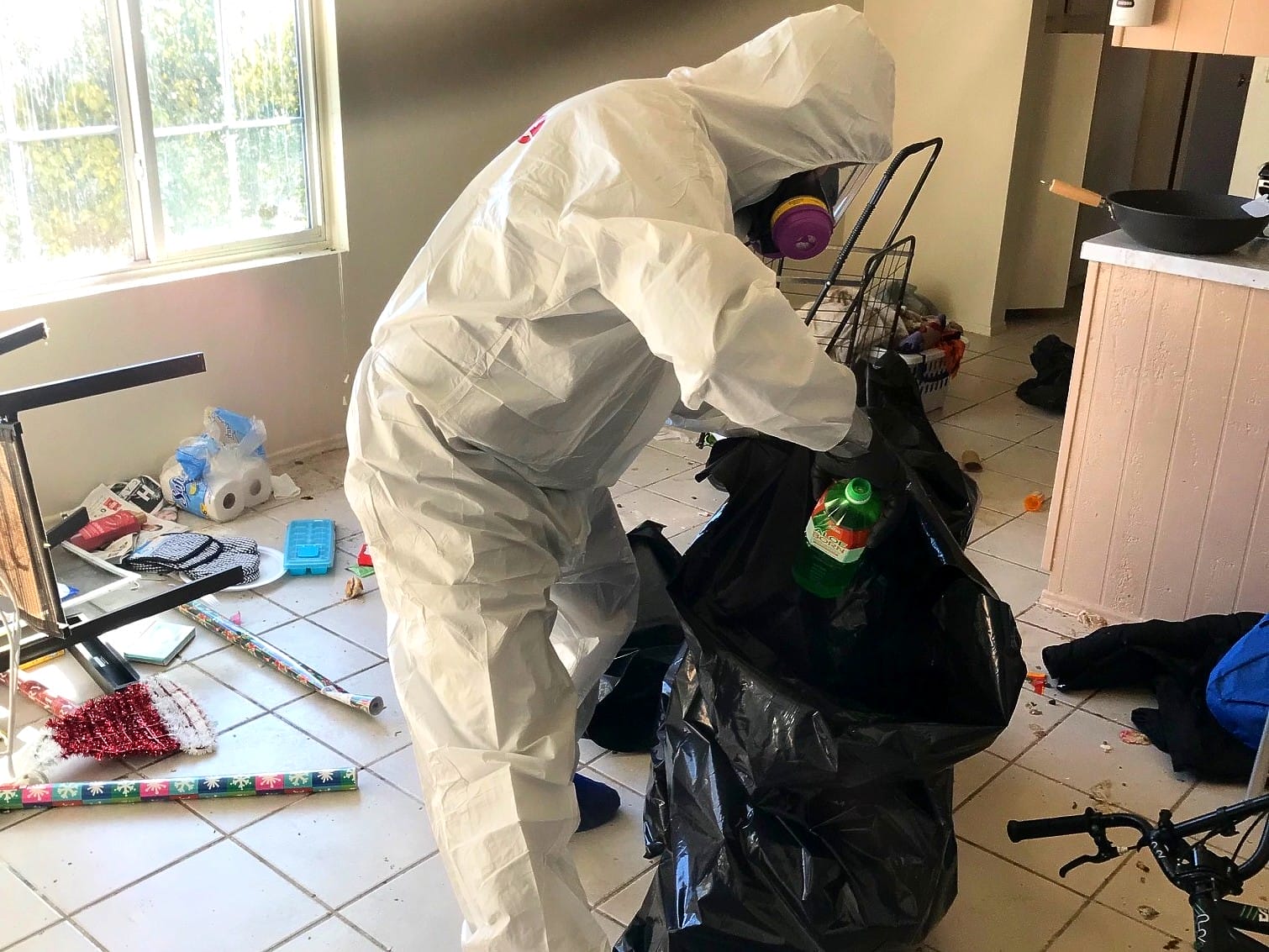
One of the most critical aspects of a hoarding cleanup is the removal and disposal of hazardous waste. This process may be overlooked because there aren't clear rules about what you should do with the waste generated from the restoration process. In reality, disposing of hazardous waste in the wrong way can lead to serious health and environmental consequences.
Once all hazardous waste has been removed and disposed of properly, the focus can shift to restoring the home to a safe environment. The process may include repairing any structural damage, removing mold and water damage, deep cleaning, and deodorizing the property. Any underlying issues that contributed to the hoarding behavior should be addressed.
Hoarding Disorder requires management and treatment. While there is no one-size-fits-all solution for individuals struggling with hoarding, there are many resources available to help. Treatment may include therapy, medication, and support groups. The outlook for someone struggling with hoarding is positive, as long as there is a willingness to seek help and make changes.

Whether you are dealing with hoarding behavior yourself or know someone who is, it's crucial to seek help and support. Hoarding can be a challenging issue to face alone, but there are professionals, organizations, and support groups that can offer guidance and assistance. Don't hesitate to reach out for help and take the necessary steps towards recovery. Remember, you are not alone in this journey.
Our team at Bio-One is trained, experienced, and equipped to handle any level of hoarding situation with compassion and discretion. Everything from following safety procedures, assessing the damage, removing and disposing of hazardous waste, and restoring the space to a livable condition, we can help.
If you are dealing with hoarding, it’s essential to take action quickly to avoid further damage and potential danger. Our technicians are also available for those who need guidance and support throughout the process!
Bio-One of Marion County is a locally owned and operated biohazard and hoarding cleaning company serving Indianapolis and the surrounding areas. We specialize in all types of extreme cleaning, including blood and bodily fluids, decomposition/undiscovered death, crime scene, suicide cleanup, tear gas, feces/urine, rodent droppings, sewage backups, hoarding, gross filth, virus/bacteria disinfection and odor removal. Helping people get their lives back in order is our #1 priority.
Bio-One of Marion County is here to help you 24/7, 365 days a year! Call (317) 499-0614, and you'll speak directly to one of us when you call; there is never an answering service. We'll treat you like a person with the compassion and respect that you deserve.
Biohazard situations are some of the most dangerous and can be life-threatening if not handled appropriately. Therefore, if you find yourself exposed to an unexpected hazardous situation in the workplace, your home, or your property, knowing how to prepare and protect yourself and others is crucial. In this blog post, we have enlisted the expert advice of Bio-One of Marion County's experienced biohazard cleanup technicians to provide essential safety tips on how to prepare for these situations.
Biohazard situations are situations where there is a risk of exposure to infectious materials like blood, bodily fluids, and other hazardous materials. These materials can carry diseases and pose a high risk to health and safety. Examples of biohazard situations include:
It's essential to understand biohazard situations, so you can take precautions and know when to seek professional help.

Have a plan in place, detailing how you'll respond to a biohazard situation. The plan should include how you'll notify other people in the building of the danger, the procedures for containing the hazard, the measures you'll take to protect everyone's safety, and who will help you with the cleanup. Having a plan in place will help you respond quickly, which is essential in mitigating the risks posed by biohazard situations.
Personal protective equipment is essential when exposed to a potentially hazardous situation. The appropriate PPE for biohazard situations includes gloves, goggles, respirators, protective suits, and shoe covers.
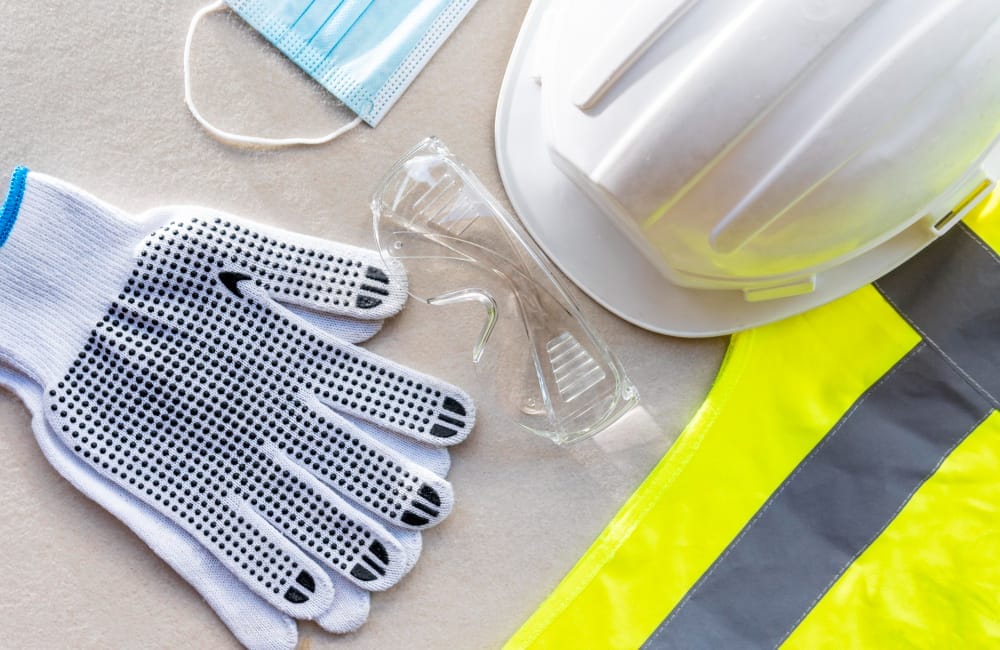
It's vital to have this equipment readily available and to know how to use it properly. If you're not sure, ask a professional for guidance.
If you're faced with a hazardous event involving blood, bodily fluids, feces, urine, or human and animal waste, and you're not equipped with the right PPE, seek help immediately. Also, restrict access to the area to protect others until proper cleaning and disinfection has been done.
When it comes to biohazard situations, it's always best to contact a professional biohazard cleanup company. These companies have the experience, tools, and protective equipment to handle biohazard materials. Hiring a professional biohazard cleanup company will help ensure that the risk of exposure to hazardous materials is minimized.
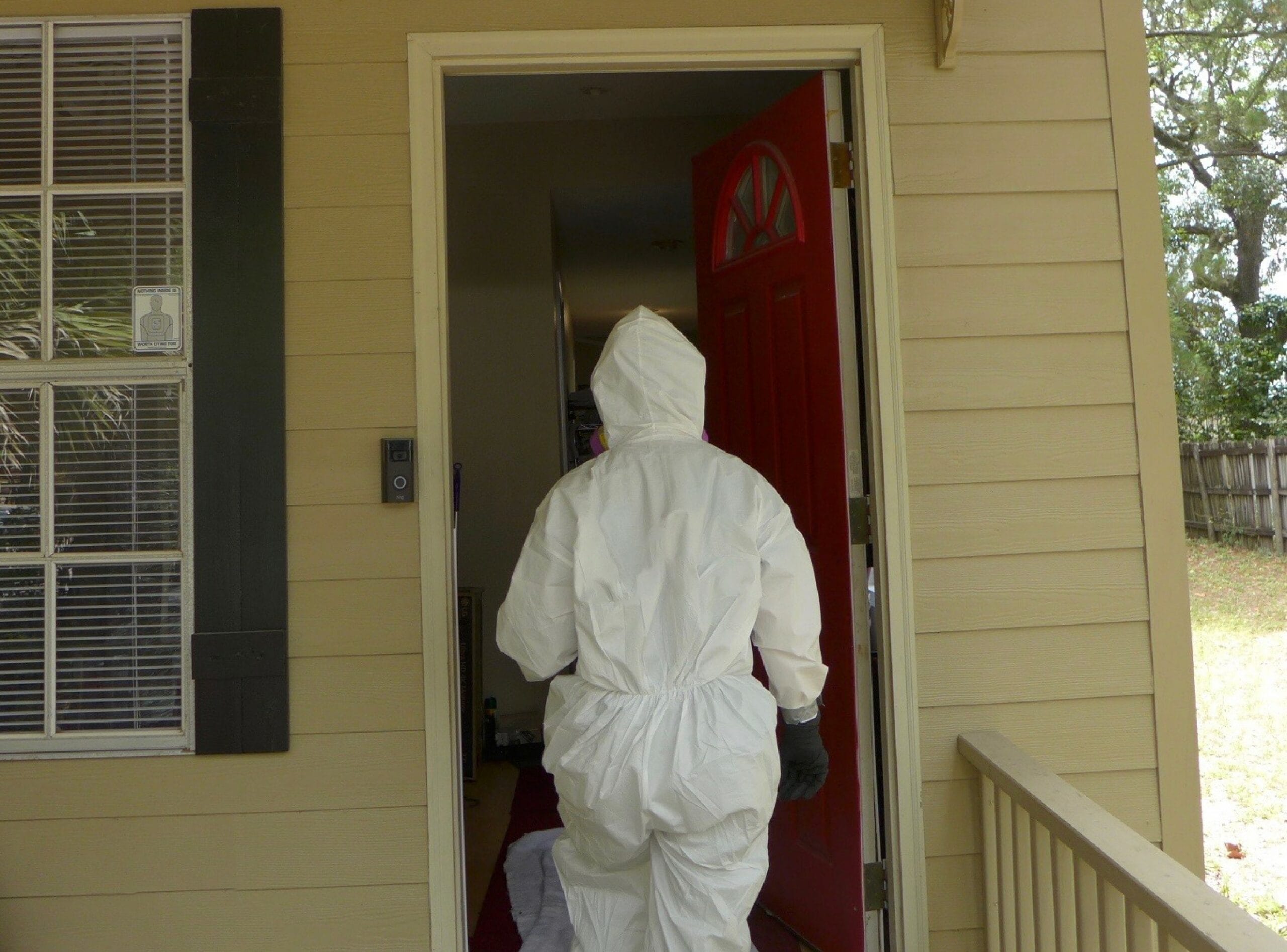
Biohazard situations are some of the most dangerous situations you can face. Follow the essential safety tips outlined in this blog post to prepare yourself for a biohazard situation, and to handle it effectively without putting yourself or others at risk.
Remember to always stay safe and know that Bio-One of Marion County is ready to assist if the situation is beyond your expertise.
Sewage backups are a household nightmare that no one wants to experience. Besides causing property damage, they pose significant health risks. Sewage contains a plethora of harmful bacteria, viruses, and pathogens that can lead to serious illnesses if not properly managed. In such dire situations, it's crucial to have professionals handle the cleanup. Bio-One of Marion County is a biohazard cleaning company specializing in sewage cleanup and remediation. In this blog, we'll explore why sewage backups are emergencies, the health risks they carry, and why expert services like Bio-One of Marion County are essential for the job.
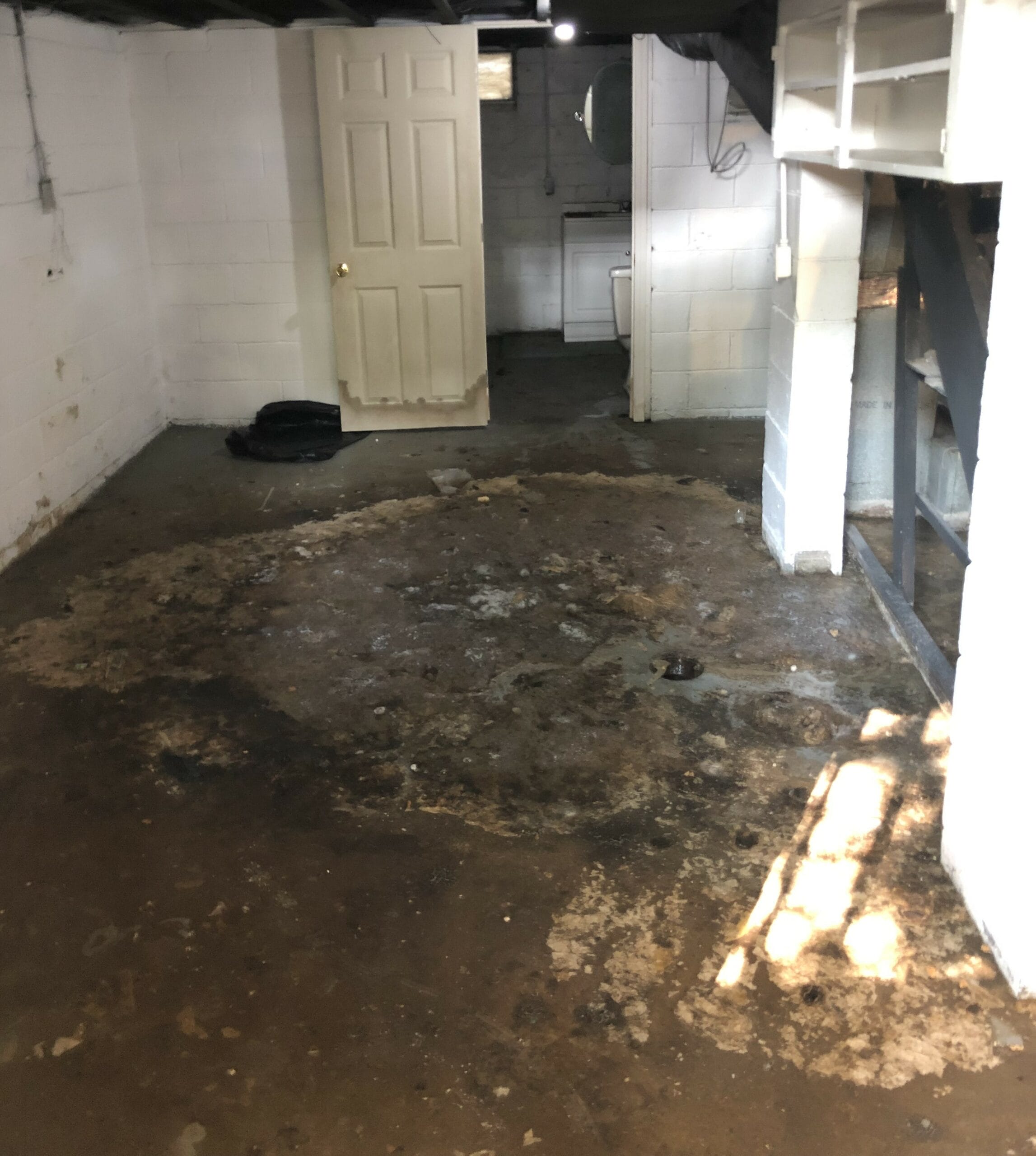
Sewage backups are emergencies for several reasons:
1. Immediate Health Hazards: When a backup occurs, harmful contaminants are released into your living space. This can lead to immediate health hazards for you and your family, including skin irritation, gastrointestinal issues, respiratory problems, and more.
2. Property Damage: Sewage water can cause extensive damage to your home, including structural damage and destruction of personal belongings. The longer it sits, the more costly and difficult the cleanup process becomes.
3. Foul Odors: Sewage backups often come with unbearable odors. These odors can permeate your home and are not only unpleasant but also potentially harmful to your health.
4. Spread of Disease: Sewage contains a variety of pathogens, including E. coli, hepatitis, and rotaviruses. Exposure to these pathogens can result in serious illnesses, particularly for children, the elderly, and individuals with weakened immune systems.
1. Gastrointestinal Infections: The pathogens in sewage water can cause severe gastrointestinal infections. Symptoms include diarrhea, vomiting, abdominal pain, and dehydration. Sometimes, these infections can be life-threatening, especially for vulnerable individuals.
2. Respiratory Issues: Inhalation of sewage fumes and airborne contaminants can lead to respiratory problems, such as coughing, shortness of breath, and exacerbation of pre-existing respiratory conditions like asthma.
3. Skin Infections: Direct contact with sewage-contaminated water can result in skin infections, open sores, and rashes. These can be painful and may require medical attention.
4. Hepatitis and Other Viral Infections: Sewage can contain hepatitis A and other viruses, leading to liver infections and other health complications.
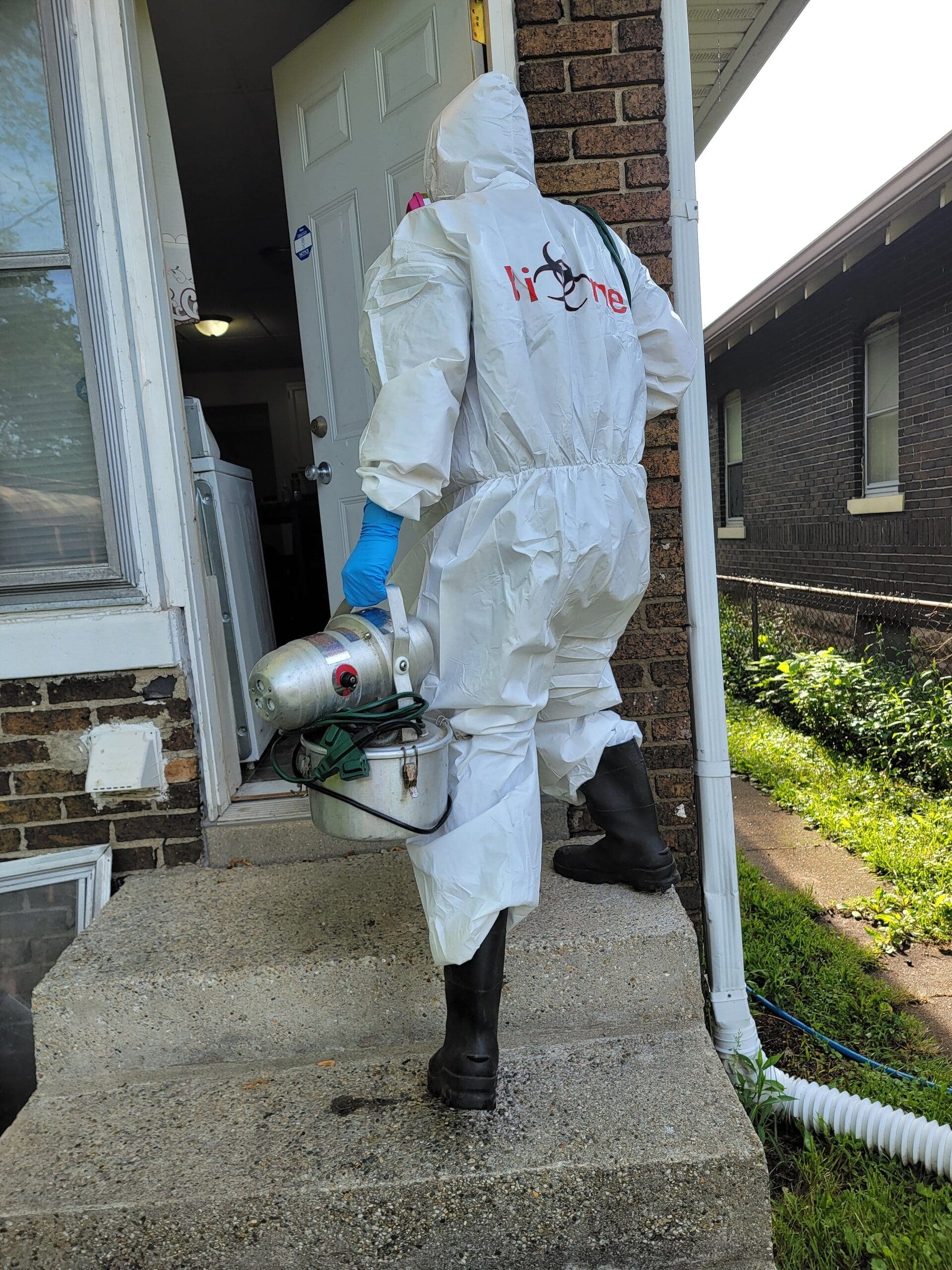
Bio-One of Marion County specializes in biohazard cleaning, including sewage cleanup and remediation. Here's why their services are essential:
1. Expertise: Bio-One of Marion County's technicians are highly trained in biohazard cleanup, ensuring the sewage is safely and thoroughly removed.
2. Proper Equipment: They have access to specialized equipment and personal protective gear necessary for handling hazardous materials.
3. Health and Safety Compliance: Bio-One of Marion County adheres to industry best practices and regulations to protect both the occupants and their team from contamination.
4. Thorough Cleanup: They remove all traces of liquid waste and contaminants, preventing any lingering health risks.
5. Property Restoration: Beyond cleanup, Bio-One of Marion County can help restore your property, including repairing damaged structures and removing lingering odors.
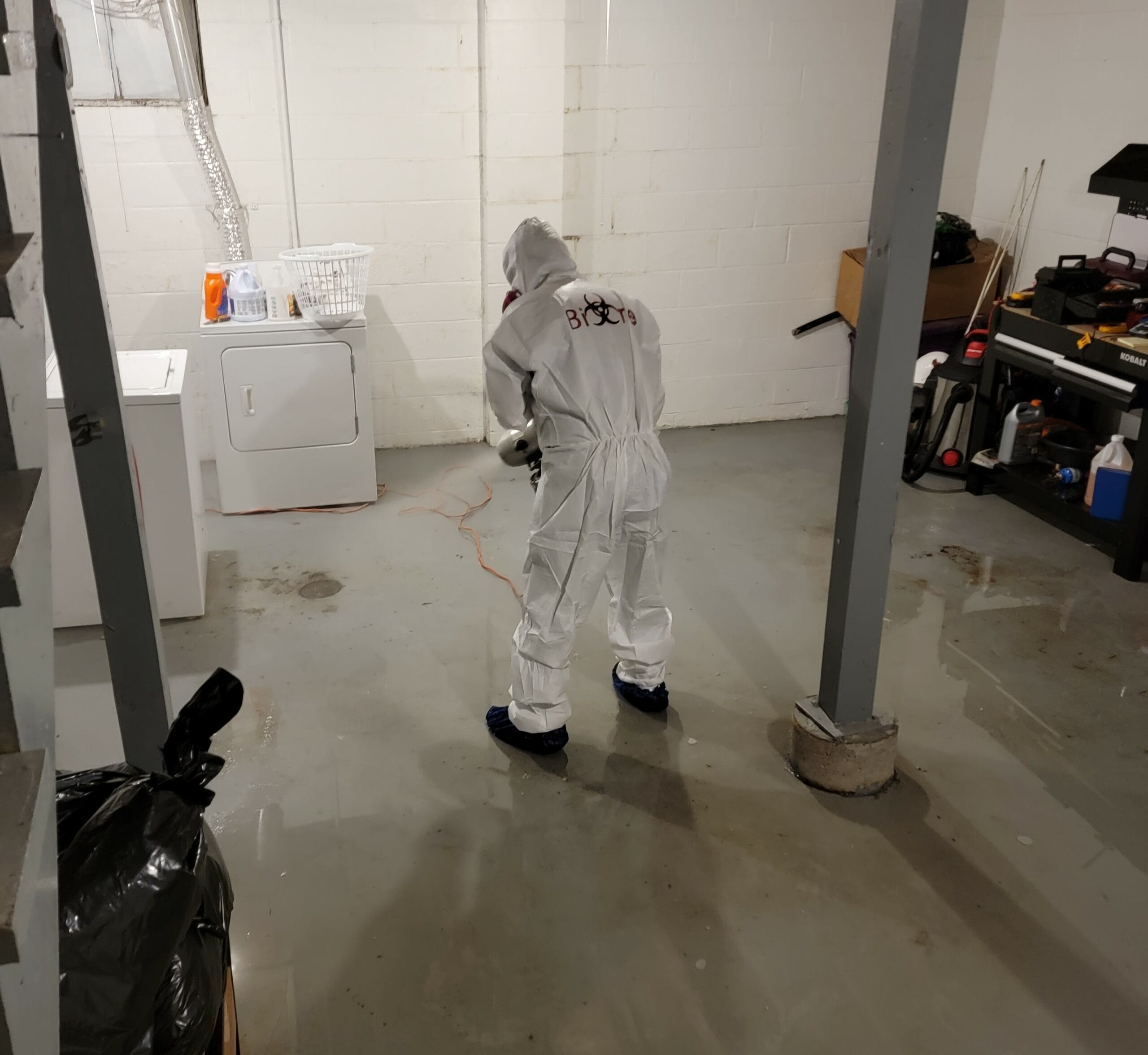
Sewage backups are indeed emergencies due to the immediate health risks they pose. These emergencies require professional intervention. Bio-One of Marion County's expertise in biohazard cleanup makes them an invaluable resource for restoring your home and ensuring the health and safety of your family. If you ever find yourself facing the daunting challenge of a sewage backup, remember that professional help is just a phone call away.
Bio-One of Marion County is a locally owned and operated biohazard and hoarding cleaning company serving Indianapolis and the surrounding areas. We specialize in all types of extreme cleaning, including blood and bodily fluids, decomposition/undiscovered death, crime scene, suicide cleanup, tear gas, feces/urine, rodent droppings, sewage backups, hoarding, gross filth, virus/bacteria disinfection and odor removal. Helping people get their lives back in order is our #1 priority.
Bio-One of Marion County is here to help you 24/7, 365 days a year! Call (317) 499-0614, and you'll speak directly to one of us when you call; there is never an answering service. We'll treat you like a person with the compassion and respect that you deserve.
In a world that often prioritizes physical health, it's crucial to remember that mental health is just as vital to our overall well-being. Mental health conditions affect millions of people worldwide, and the stigma associated with them can make it challenging for individuals to seek help. National Depression and Mental Health Screening Month, observed in October, aims to break the silence, raise awareness, and provide essential resources for those struggling with mental health issues. In this blog, we'll explore what this month means, share valuable mental health resources, and remind the community that they are never alone in their journey to better mental health.
National Depression and Mental Health Screening Month is a crucial awareness campaign throughout October. Its primary focus is to encourage people to take a closer look at their mental well-being, to reduce the stigma surrounding mental health issues, and to emphasize the importance of early screening and intervention.
Why October? This month is significant because it marks the beginning of the fall season when daylight hours decrease and the prevalence of seasonal affective disorder (SAD) often increases. It's a reminder that various factors, including environmental and seasonal changes, can influence mental health issues.
Mental health screening is a proactive measure that can help identify potential issues early on. It's similar to regular check-ups for physical health, ensuring that problems are detected and treated promptly. Screening for mental health conditions can include self-assessment tests, discussions with healthcare professionals, or simply being open and honest with yourself about your emotional well-being.
If you or someone you know is struggling with mental health issues, there are numerous resources available to provide support and guidance:
Understanding that you are not alone in your mental health journey is essential. Millions of people worldwide face challenges related to their emotional well-being, and support is available. Remember:
National Depression and Mental Health Screening Month is a time to prioritize your mental well-being and access the resources you need. Remember that seeking help is a sign of strength, not weakness. You are not alone in your struggle, and people and organizations are ready to support you on your journey toward mental wellness. Together, we can break mental health stigma and create a more compassionate and understanding world.
Bio-One of Marion County is a locally owned and operated biohazard and hoarding cleaning company serving Indianapolis and the surrounding areas. We specialize in all types of extreme cleaning, including blood and bodily fluids, decomposition/undiscovered death, crime scene, suicide cleanup, tear gas, feces/urine, rodent droppings, sewage backups, hoarding, gross filth, virus/bacteria disinfection and odor removal. Helping people get their lives back in order is our #1 priority.
Bio-One of Marion County is here to help you 24/7, 365 days a year! Call (317) 499-0614, and you'll speak directly to one of us when you call; there is never an answering service. We'll treat you like a person with the compassion and respect that you deserve.

Hoarding, or the excessive collection of items regardless of their value, can lead to hazardous living conditions and a decreased quality of life. Treatment may be necessary and can be challenging for both the individual with hoarding tendencies and their loved ones.
There is no universal treatment for hoarding, but there are options available for those seeking help. As a hoarding cleanup company, we work with professionals to provide help and support to individuals dealing with Hoarding Disorder. In this blog post, we’ll share some of the most effective hoarding treatment options.
Disclaimer: We do not hold professional licenses in the field of psychology. Please seek advice from a licensed professional when dealing with hoarding disorder.
CBT is a type of talk therapy that aims to help individuals recognize and change negative thought patterns. Through this method, individuals can identify and process the underlying emotions and behaviors that contribute to hoarding. CBT also helps individuals develop coping skills for managing future urges to hoard.

Motivational interviewing helps individuals become more aware of the negative impact hoarding has on their lives and relationships. Experts suggest that through empathetic listening and reflection, individuals can become more motivated to make changes.
There are a variety of support groups available for individuals dealing with hoarding disorder. Support groups can provide a sense of community, understanding, and accountability. Group members can share experiences and encourage one another to make progress toward their goals.
Find a Support Group in your area: International OCD Foundation - Hoarding Support Groups
Sometimes, specific symptoms that co-occur with hoarding are addressed using medication. These symptoms may include depression, anxiety, or obsessive-compulsive disorder (OCD). However, medication alone is not recommended for Hoarding Disorder.
Hoarding Disorder can affect people of all ages, races, and backgrounds. People often excessively collect and store items that are usually useless or unnecessary. Hoarding behavior can range from mild to severe and can have a significant impact on an individual's daily life. There are several reasons why someone may develop hoarding tendencies:
Hoarding Disorder can have severe consequences, both for the individual and their loved ones. One of the most significant challenges is the potential for health and safety hazards.
Recognizing and treating Hoarding Disorder can be challenging, but it is possible with the right resources and support. Cognitive Behavioral Therapy, motivational interviewing, support groups, and medication are all viable hoarding treatment options. Each individual should discuss these options with a licensed professional to determine the best course of action.
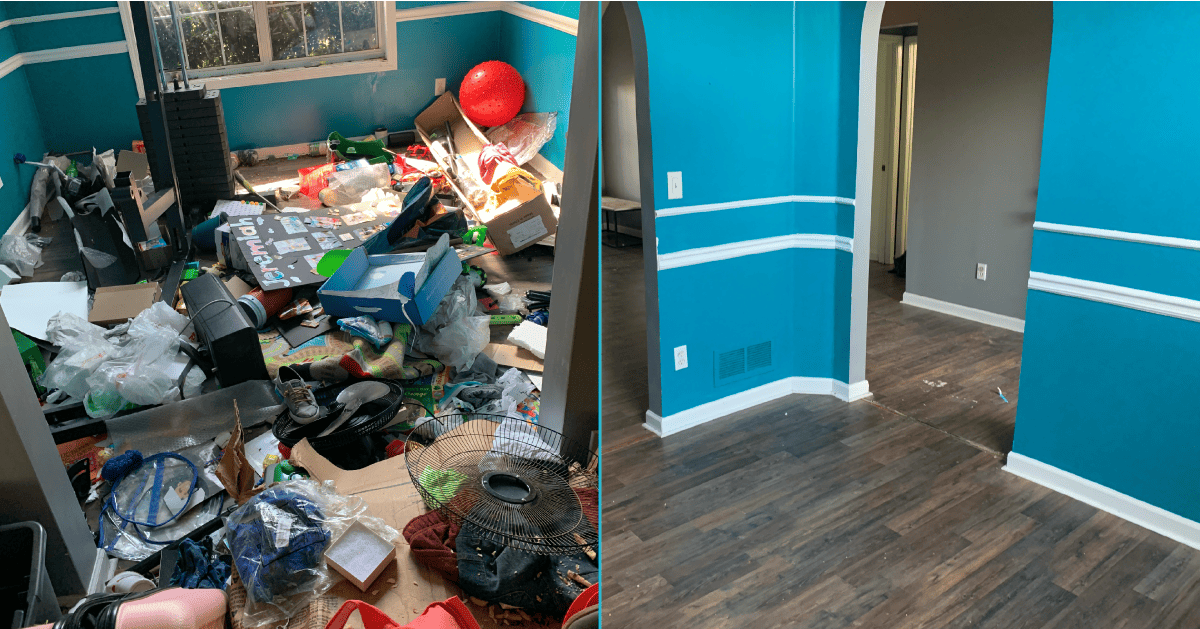
At Bio-One of Marion County, our team is trained to carefully, respectfully, and understandingly handle the delicate nature of hoarding cleanup. We use state-of-the-art equipment and techniques to safely remove clutter and biohazards from the affected area, restoring it to a safe and habitable condition. Feel free to reach out to us for immediate assistance!
Bio-One of Marion County is a locally owned and operated biohazard and hoarding cleaning company serving Indianapolis and the surrounding areas. We specialize in all types of extreme cleaning, including blood and bodily fluids, decomposition/undiscovered death, crime scene, suicide cleanup, tear gas, feces/urine, rodent droppings, sewage backups, hoarding, gross filth, virus/bacteria disinfection and odor removal. Helping people get their lives back in order is our #1 priority.
Bio-One of Marion County is here to help you 24/7, 365 days a year! Call (317) 499-0614, and you'll speak directly to one of us when you call; there is never an answering service. We'll treat you like a person with the compassion and respect that you deserve.

World Mental Health Day, observed on October 10 each year, is a reminder of the importance of psychological well-being and the need for global efforts to promote awareness, understanding, and support for those facing challenges. In a world that often prioritizes physical health, it's crucial to recognize that mental health is equally important. This day serves as a platform to destigmatize mental health issues, provide resources, and assure the community that they are not alone if they are struggling.
World Mental Health Day was first observed in 1992 and has become a significant global event. It's an opportunity to break the silence surrounding mental health and to encourage open conversations about the challenges people face. The day aims to raise awareness about mental health issues, reduce the stigma associated with them, and foster a sense of community and support for individuals dealing with these concerns.
One of the most significant barriers to seeking help is the stigma attached to them. Stigma can lead to feelings of shame, isolation, and reluctance to seek support. However, World Mental Health Day reminds us that these conditions are common and can affect anyone, regardless of age, gender, race, or socioeconomic status. It's essential to challenge and dismantle the stereotypes and misconceptions surrounding mental health.
If you're struggling with emotional wellness issues, it's vital to know that you are not alone. Millions of people worldwide face similar challenges, and many have found ways to cope, recover, and thrive. Seeking help is a sign of strength, not weakness. A wealth of resources is available to support you on your journey to better mental fitness.
World Mental Health Day reminds us that psychological well-being is vital to our overall well-being. It's a day to promote awareness, break the stigma, and offer support to those who may be struggling. Remember that you are not alone, and numerous resources are available to help you or someone you know navigate mental challenges. Let us join hands as a global community to prioritize mental well-being, foster understanding, and create a world where everyone can live a mentally healthy life.
Bio-One of Marion County is a locally owned and operated biohazard and hoarding cleaning company serving Indianapolis and the surrounding areas. We specialize in all types of extreme cleaning, including blood and bodily fluids, decomposition/undiscovered death, crime scene, suicide cleanup, tear gas, feces/urine, rodent droppings, sewage backups, hoarding, gross filth, virus/bacteria disinfection and odor removal. Helping people get their lives back in order is our #1 priority.
Bio-One of Marion County is here to help you 24/7, 365 days a year! Call (317) 499-0614, and you'll speak directly to one of us when you call; there is never an answering service. We'll treat you like a person with the compassion and respect that you deserve.

Rodent infestations are a common problem for homeowners, business owners, and property managers. These pesky creatures can cause quite a stir in houses and buildings, as they damage structures, contaminate food sources, and even create an unpleasant odor. Aside from property damage, rodents can cause significant health hazards from diseases that can be transmitted to humans. Cleaning up after a rodent infestation is an essential step in recovering your home or business and avoiding future problems. Here are some tips for cleaning up after rodent infestations.
The first and most important thing to do when cleaning up after a rodent infestation is to make sure the rodents have been effectively eradicated. This means that all of the rodents must be caught or killed, and then removed from your property as soon as possible. If you are unable to eradicate the rodents on your own, we recommend consulting with a professional pest control company.
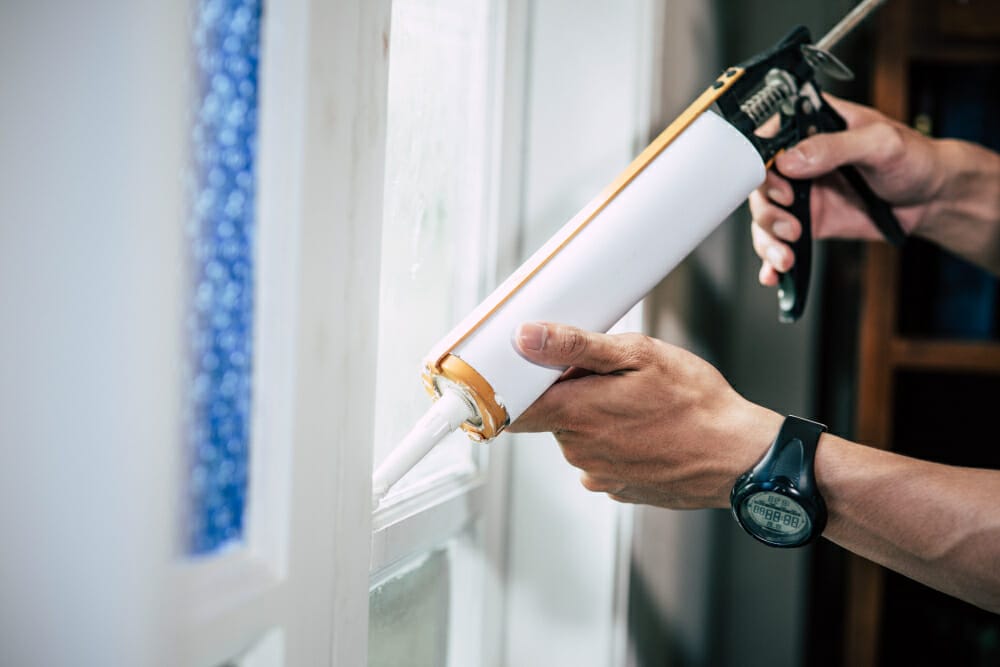
Once you've cleaned up the infested area, seal up any entry points that rodents may have used. Common entry points include gaps in walls or roofs, cracks in the foundation, and utility entries. Use caulk, steel wool, or mortar to seal these openings to prevent rodents from coming back.
Rodents can contaminate everything they come into contact with. Food, clothes, and furniture can become infected with rodent-borne diseases and bacteria, so, the best thing you can do is dispose of any contaminated items by sealing them in a plastic bag and throwing them away in an outdoor garbage bin. If any upholstered furniture is contaminated, it's best to have professionals determine whether they can be saved or not.
Once all of the rodents have been removed, you can begin cleaning carpets, furniture, walls, floors, etc. Use a diluted bleach solution to kill germs and bacteria left behind by the rodents. Finally, vacuum carpets and furniture to remove any remaining debris or droppings.
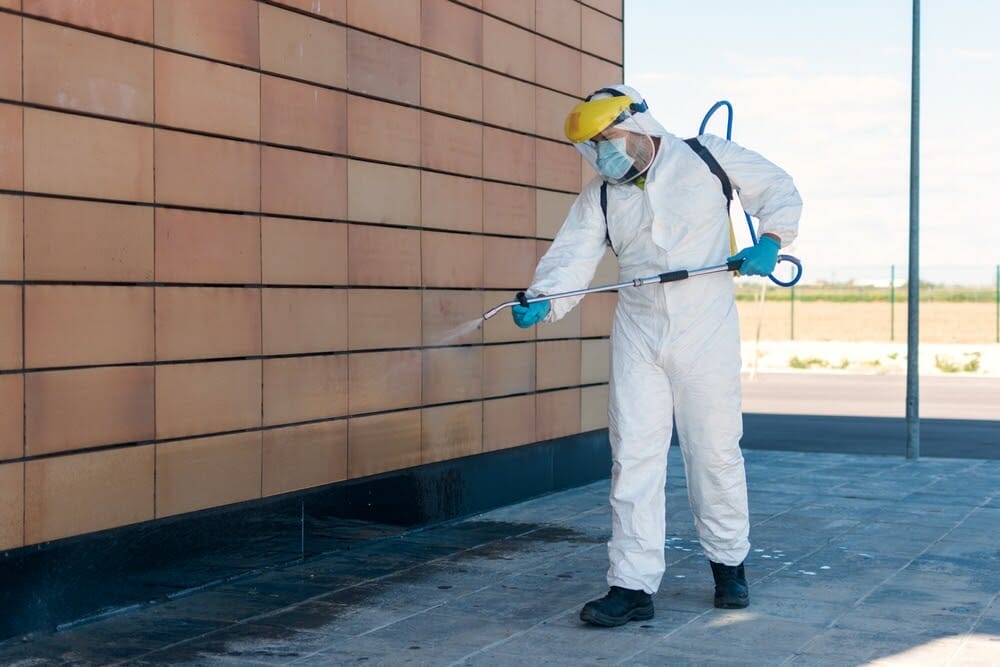
You want to avoid touching or inhaling any contaminated materials. Always wear gloves, a face mask, and long sleeves when cleaning up after rodent infestations. Disposable clothing can be helpful to reduce the amount of contact with contaminants. Additionally, never attempt to clean an area that is heavily contaminated without first consulting a professional company for assistance!
While cleaning up after a rodent infestation can be done on your own, some situations may require the services of a professional. If you have a large infestation, the cleanup process can be extensive, and it's best to call a professional service.
Additionally, a professional service can help identify any potential entry points in your home that may need to be sealed. This will help deter future infestations from occurring and protect your home from further damage and contamination.

At Bio-One of Marion County, we understand how overwhelming and stressful it can be to deal with rodent infestations. We specialize in providing rodent droppings cleanup services that will help you get your home back to a safe and healthy state as quickly as possible. Contact us today for more information! We are proud to serve Indianapolis and all the surrounding areas.

October is more than just the arrival of autumn leaves and pumpkin spice lattes; it's also a month dedicated to raising awareness about breast cancer. Breast Cancer Awareness Month is a powerful reminder of the importance of early detection, support, and the relentless fight against this formidable disease.
The pink ribbon is one of the most recognizable symbols associated with Breast Cancer Awareness Month. This emblem of hope and solidarity has become a universal symbol of the fight against breast cancer. The pink ribbon serves as a reminder to women and men alike that early detection through regular screenings and self-exams can significantly improve the chances of survival.
Breast cancer is the most common cancer among women worldwide, affecting millions of lives each year. However, the good news is that when detected early, the chances of successful treatment and recovery are significantly higher. Mammograms, clinical breast exams, and self-breast exams are crucial in detecting breast cancer in its early stages. Encouraging yourself and your loved ones to schedule regular screenings can make a world of difference.
Breast Cancer Awareness Month is also a time to show support and compassion to those who are currently battling the disease or have faced it in the past. Whether it's through participating in fundraising events, volunteering at local organizations, or simply offering a listening ear to someone in need, your support can make a profound impact on those affected by breast cancer.
In addition to raising awareness and support, Breast Cancer Awareness Month also emphasizes the importance of education. Knowing the risk factors, symptoms, and treatment options can empower individuals to take control of their health and make informed decisions. It's crucial to understand that breast cancer can affect anyone, regardless of age or gender, so knowledge is a valuable weapon in the fight against this disease.
There are numerous ways to get involved during Breast Cancer Awareness Month. You can participate in charity walks, runs, or bike rides, where funds raised go towards breast cancer research and support programs. Consider organizing a fundraising event in your community or making a donation to reputable breast cancer organizations. Even sharing information about breast cancer and the importance of early detection on your social media platforms can make a difference.
In conclusion, Breast Cancer Awareness Month is a time to unite in the fight against breast cancer. By wearing pink, spreading awareness, supporting those affected, and advocating for early detection, we can contribute to the global effort to eradicate this disease. Together, we can make strides towards a future where breast cancer is no longer a life-threatening diagnosis but a curable and preventable condition.
Bio-One of Marion County is a locally owned and operated biohazard and hoarding cleaning company serving Indianapolis and the surrounding areas. We specialize in all types of extreme cleaning, including blood and bodily fluids, decomposition/undiscovered death, crime scene, suicide cleanup, tear gas, feces/urine, rodent droppings, sewage backups, hoarding, gross filth, virus/bacteria disinfection and odor removal. Helping people get their lives back in order is our #1 priority.
Bio-One of Marion County is here to help you 24/7, 365 days a year! Call (317) 499-0614, and you'll speak directly to one of us when you call; there is never an answering service. We'll treat you like a person with the compassion and respect that you deserve.
Hoarding can creep up slowly, and before you know it, a house has become cluttered and unmanageable. Hoarding can lead to a whole host of problems, including health and safety risks, inability to use spaces as intended, and social isolation. But, if you're looking to get started with restoring a hoarded home, help is available. In this blog post, we'll share everything you need to know before you take on this journey. Whether it's someone you know, a loved one, or someone who has overcome hoarding, these tips can help make the process more tangible.
It's important to have a clear idea of what you want to accomplish, set realistic goals, and establish a timeline for completion. Your plan should include the following:
With a plan in place, tackling the clutter is the next step. It can be overwhelming and intimidating to look at a cluttered home, but remember that every small step is progress. Start by deciding what needs to be kept and what should be discarded. To simplify this process:

It's recommended that you also work with a professional to organize and restore the home more efficiently. If you work with someone knowledgeable in the field of removing clutter, they can help you determine what needs to be kept and discarded.
If the property has been cluttered for a while, it may be necessary to have the space professionally cleaned and disinfected. Hoarding can lead to health hazards such as mold growth, pests, or vermin. To properly clean and disinfect the home:
Use a disinfectant solution to clean surfaces thoroughly and ensure that even the smallest details are taken care of. Don't forget to clean fabrics and carpets, as these can easily catch dirt and germs!
Consider the use of storage solutions such as shelving, cabinets, and bins to keep things organized and accessible. Design the space according to the individual's preferences and needs, again, keeping realistic goals. Personalize the house with items that evoke positive memories! Restoring a hoarded home restoration doesn't have to be overwhelming; with careful planning, it can become a rewarding experience.

The process of restoring a hoarded home is not just about cleaning and organizing. It's also important to provide psychological support to those affected by hoarding disorder. Connecting with a licensed therapist or certified professional organizer can be beneficial for those looking for support during this difficult time. Help is available; don't hesitate to reach out for advice and assistance!
Restoring a hoarded home is no easy feat. The key is to break the process down into manageable tasks and stick to your timeline. Remember to be kind to yourself, or your loved one, throughout the process. Hoarding is a mental health disorder, and it takes time to overcome. By following these steps, you can at least have a clearer vision of how to rejuvenate and restore the property. This process must come along with assistance from a mental health professional to ensure there are no long-term issues.